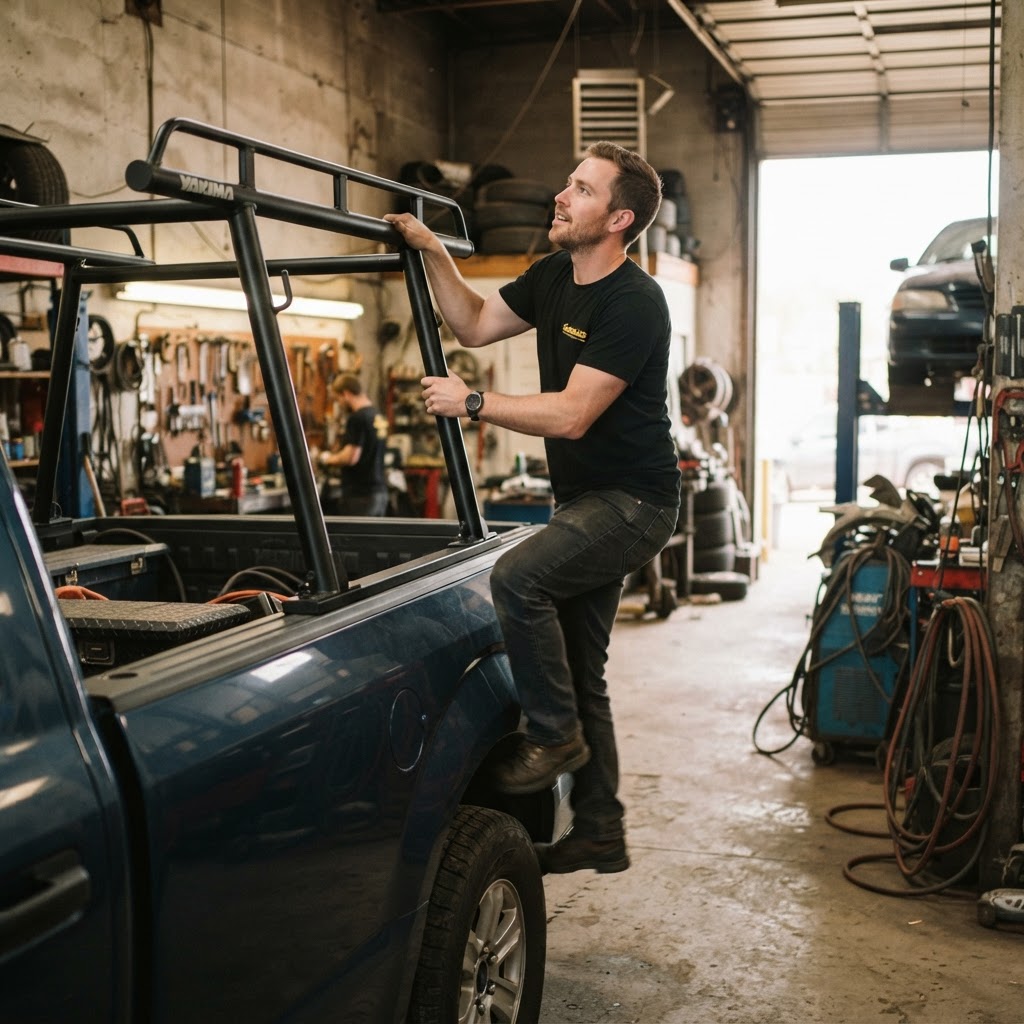

Ladder Racks: Haul Smarter, Work Harder
The sun beat down on the job site, shimmering off the half-finished addition. I was wrestling a 32-foot extension ladder out of the back of my old Ford E-Series, trying not to scrape the fresh paint. It was a two-man job, awkward, and frankly, dangerous. One slip and that ladder could go bouncing into traffic or take out a chunk of someone's landscaping. We were losing daylight, and the fact that getting the ladder on and off the van was eating up precious minutes was starting to gnaw at me. This wasn't the first time I'd cursed the lack of proper racking.
We’ve all been there. Whether you’re a painter, roofer, electrician, or just a serious DIYer who values their tools, hauling ladders and long materials is a universal pain point. They’re bulky, awkward, and frankly, a liability if not secured properly. For too long, guys have been improvising with ratchet straps and prayer, risking damage to their van or truck, their ladders, and even themselves. It’s time to get serious about how we carry our most crucial pieces of equipment.
What We're Testing
This isn't about fancy chrome or speed shop bolt-ons. We're talking about serious work racks designed to handle the daily grind. These aren't just metal frames; they're essential job site tools that can mean the difference between a productive day and a frustrating one. We’ve looked at racks that can handle everything from your standard 6-foot step ladder to the beastly 40-foot extension ladders, and long lumber or conduit. Our evaluation focuses on real-world performance: how securely does it hold your load? How does it handle highway speeds and rough access roads? Does it stand up to the elements and the inevitable dings and scrapes of a busy work life? We’re looking at ease of installation, versatility, and long-term durability. This is about gear that works as hard as you do.
The Competition
The market for ladder racks is crowded, and you can find options ranging from bare-bones aluminum to heavy-duty steel. We’ve seen a lot of variations out there, and knowing what separates the good from the junk is key. You’ve got brands like Weather Guard, known for their rugged, often van-specific, solutions, and Dee Zee, which offers a wide range of truck accessories that often include robust ladder racks. UWS and Buyers Products are also players, typically offering solid, no-frills options that get the job done without breaking the bank. Frontier and ATC often focus on heavy-duty utility for commercial fleets. Each has its place, but when you factor in build quality, ease of use, and vehicle-specific fit, the field narrows.
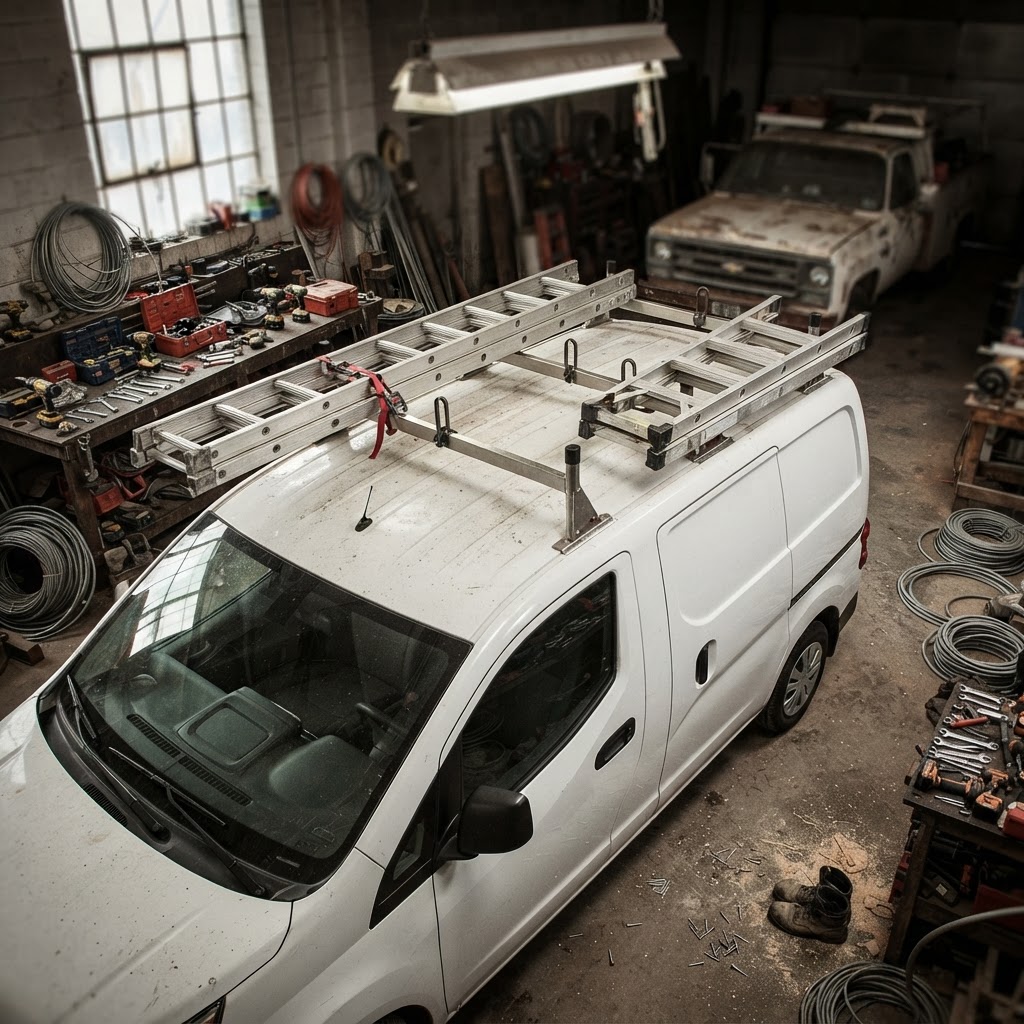
For this review, we’ve zeroed in on a few key contenders to see how they stack up. We’re comparing their claimed weight capacities, the materials they use, their general price points, and what kind of warranty backs them. It's a tough field, but when push comes to shove, we're looking for the rack that offers the best blend of utility, durability, and value for the tradesperson who relies on their vehicle day in and day out. While many options exist, the Vantech H1 Ladder Roof Rack for Ford Transit Connect 2014-On - Black stands out for its targeted design and robust construction. It’s built specifically for popular work vans, offering a secure and accessible solution for carrying your essential long tools.
| Product | Capacity/Size | Material | Price Range | Warranty/Notes |
|---|---|---|---|---|
| Vantech H1 Ladder Roof Rack for Ford Transit Connect 2014-On - Black | Not Specified (Designed for specific ladder lengths) | Steel | $583.20 | Limited Lifetime Warranty |
| Weather Guard Allsteel Van Racks | Varies by model; generally high capacity | Steel | $700 - $1200+ | Limited Lifetime Warranty |
| Dee Zee Brute Ladder Rack | Varies by model; e.g., 1000 lbs static load | Steel | $400 - $700 | Limited Lifetime Warranty |
| UWS Ladder Racks | Varies by model | Aluminum or Steel | $300 - $600 | Limited Lifetime Warranty |
Installation & Fit
Getting a ladder rack bolted to your rig can be a mixed bag. Some bolt directly into factory mounting points, making life easy. Others require drilling, which always makes me pause. You want to be sure you're drilling into solid metal and not compromising the structural integrity of your van or truck. For the Vantech H1 Ladder Roof Rack, the installation is designed to work with the Ford Transit Connect’s existing roof channels. This means less guesswork and fewer holes in your roof – a big win in my book. The hardware provided is usually robust – think thick steel bolts, washers, and nuts, often with a corrosion-resistant coating. You'll typically need a socket set, a drill (if specified), and a bit of patience. The actual time can vary wildly; a simple bolt-on might take an hour or two, while a full drill-and-seal job could stretch to half a day. The key is to follow the instructions precisely and, if drilling, use a good quality sealant to prevent leaks. A common gotcha is not tightening bolts evenly or forgetting a critical washer, which can lead to rattles or a less secure mount down the road. Always double-check every fastener before you load it up.
Long-Term Durability
We’ve put ladder racks through the wringer over the years, and the real test of quality comes after a season or two of hard use. The biggest enemy is corrosion. Powder-coating is standard, but you’ll see chips and scratches from ladders inevitably sliding into it. A good rack will have a thick, even coat that resists early rust. Vibration is another killer. Cheap racks will develop squeaks, rattles, and eventually, loose fasteners. The mounting points are critical here; they need to be beefy and well-engineered to handle the constant flexing and shaking of a vehicle on the move, especially on unpaved roads. Latch mechanisms, if present, need to be simple and robust, easy to operate with gloves on, and resistant to dirt and grit. UV exposure can degrade plastic components and fade finishes over time, but most heavy-duty racks are all metal. Load fatigue is what you really worry about – will that rack hold your heaviest ladder, plus lumber, plus rebar, day after day? We’ve seen racks buckle under extreme loads or, worse, fail catastrophically. A solid steel or heavy-gauge aluminum construction is your best bet.
Pros & Cons
Pros
- Secure Transport: Keeps ladders and long materials safely stowed, preventing damage and reducing risk.
- Vehicle Protection: Avoids interior damage or exterior scrapes caused by loose or improperly stored gear.
- Accessibility: Makes loading and unloading ladders easier, especially with integrated roller systems or specific designs.
- Versatility: Can often accommodate various lengths and types of ladders, plus other long items like pipe or lumber.
Cons
- Installation Effort: Some models require drilling, which can be daunting for DIYers and necessitates careful sealing.
- Fuel Economy: Increased drag from roof-mounted racks can slightly impact MPG.
- Vibration & Noise: Lower-quality racks or improper installation can lead to annoying rattles and squeaks.
- Vehicle Specificity: Finding the perfect fit for every van or truck model can sometimes be a challenge.
Our top-rated pick for this category. Available at Big League Accessories with 30-day returns and expert support.
The Verdict
Ladder racks aren't a luxury; they're a necessity for anyone who regularly hauls long gear. They save time, protect your investment, and, most importantly, improve job site safety. The Vantech H1 Ladder Roof Rack for Ford Transit Connect 2014-On - Black is a solid choice for Transit Connect owners, offering a purpose-built solution that balances strength and ease of use. For other applications, consider the ruggedness and specific vehicle fit of brands like Weather Guard or Dee Zee. The one thing to watch for across the board is the quality of the mounting hardware and the finish; these are the first places corners get cut, and they’re the most critical for long-term service.