
It’s 4:30 PM on a Friday, you’re three hours from the shop, and your excavator is sitting dead in the middle of a muddy job site. You’ve got a transfer tank in the back of your service truck, but you’ve been eyeballing the fuel level for months. You pull the nozzle, squeeze the trigger, and wait. And wait. Nothing but a sputter of air. You’ve run the tank dry, and now you’re stuck in the middle of nowhere with a dead machine and no way to get it running until Monday morning. That’s the kind of headache that costs you real money and a whole lot of pride.
I’ve been bolting gear to work trucks for twenty years, and if there’s one thing I’ve learned, it’s that you can’t manage what you don’t measure. Whether you’re running a fleet of skid steers or just keeping your own rig topped off, a proper fuel transfer system isn't a luxury—it’s a necessity. If you’re still relying on a dipstick or a prayer, you’re doing it wrong. Let’s talk about how to get your fuel management under control.
What We're Testing
We’re looking at mechanical fuel meters—the workhorses of the fuel transfer world. Unlike digital meters that rely on batteries and circuit boards that can fail when the temperature drops or the vibration gets too intense, a mechanical meter is built for the grit of a real job site. We evaluated these units based on four criteria: ease of mounting, flow rate compatibility, build quality, and long-term reliability under heavy vibration. We want gear that doesn't just work on day one, but keeps ticking after a year of bouncing down gravel roads.
The Competition
When you’re shopping for a meter, you’ll see a few big names. Fill-Rite is a staple in the industry, and their 807CN1 mechanical meter is a common sight on job sites. It’s a solid 3-digit unit that handles 5-20 GPM. It’s reliable, but it lacks the modular flexibility of the newer GPI systems. Then you have various generic turbine meters, which are often cheaper but lack the ruggedness of a nutating disk design.
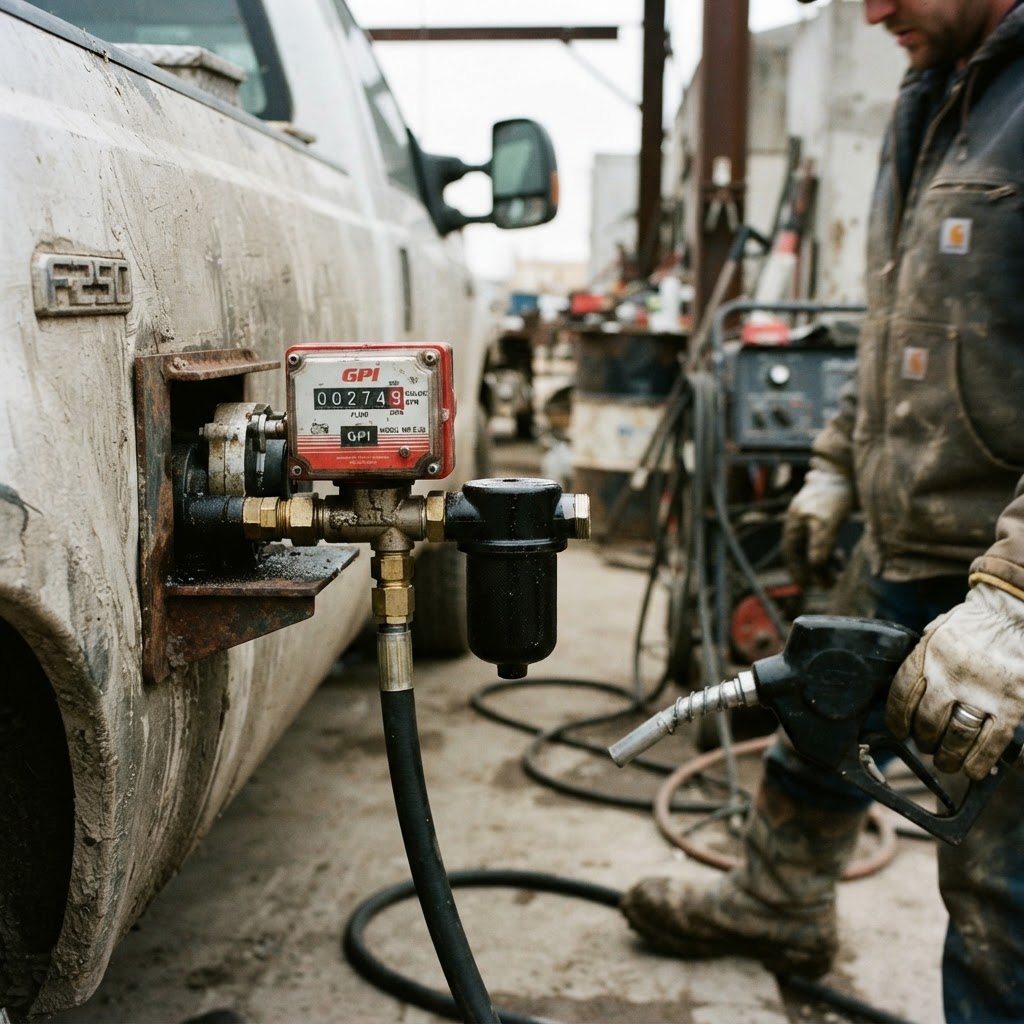
For my money, the GPI Mechanical Fuel Meter w/ Strainer is the clear winner. It’s built with a diecast aluminum housing that takes a beating, and the four-bolt modular design makes it a breeze to attach to a pump without needing a plumbing degree or a roll of thread tape. It’s accurate to within +/- 2% and handles a wider flow range (5-30 GPM) than most entry-level units, making it versatile enough for everything from small equipment to heavy-duty machinery.
| Product | Flow Range | Material | Price Range | Warranty/Notes |
|---|---|---|---|---|
| GPI Mechanical Meter | 5-30 GPM | Diecast Aluminum | $328.99 | Modular 4-bolt design |
| Fill-Rite 807CN1 | 5-20 GPM | Aluminum | $250-$300 | 3-digit resettable |
| Generic Turbine Meter | 3-30 GPM | Plastic/Aluminum | $100-$150 | Battery dependent |
Installation & Fit
Installing a meter shouldn't take all afternoon. The beauty of the GPI system is the Quick-Fit modular design. If you’re running a compatible GPI pump, you’re looking at a four-bolt connection. No pipe dope, no wrestling with NPT fittings that never seem to line up right. Just bolt it on, tighten the hardware, and you’re done.
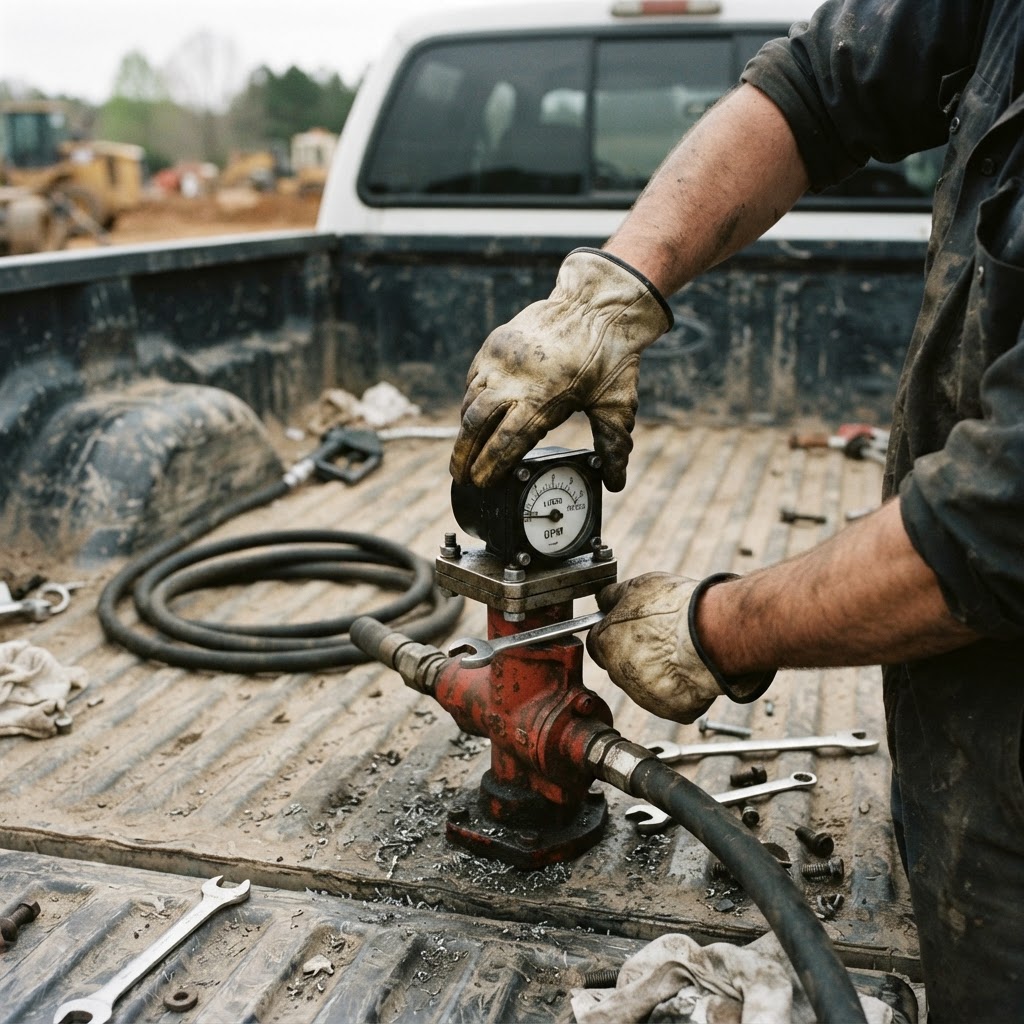
If you’re retrofitting an older setup, you’ll need to ensure your plumbing is grounded. Always use a grounded hose assembly to prevent static buildup—fuel and static are a bad mix. The biggest 'gotcha' I see in the field is guys over-tightening the fittings. Aluminum housings are tough, but they aren't indestructible. Snug it up, check for leaks, and leave the impact wrench in the toolbox.
Long-Term Durability
I’ve seen meters fail because of two things: debris and vibration. The GPI Mechanical Fuel Meter w/ Strainer includes a strainer for a reason. If you’re pulling fuel from a tank that’s seen better days, that strainer is the only thing standing between your meter and a jammed gear. Over a season, the UV exposure and the constant vibration of a truck bed will kill cheap plastic displays. The GPI’s mechanical readout is shielded and built to handle the elements. Keep the tank lid tight, keep the strainer clean, and this unit will outlast the truck it’s bolted to.
Pros & Cons
Pros
- Rugged Construction: Diecast aluminum housing stands up to job site abuse.
- Modular Design: Four-bolt mounting makes installation fast and leak-free.
- High Accuracy: +/- 2% accuracy ensures you aren't wasting fuel or guessing your burn rates.
- Versatile Flow: Handles 5-30 GPM, covering most standard transfer pump applications.
Cons
- Mechanical Only: Doesn't offer the remote monitoring or data logging of high-end digital systems.
- Size: The unit adds a bit of bulk to the pump assembly, which might be tight in some compact tool box setups.
Our top-rated pick for this category. Available at Big League Accessories with 30-day returns and expert support.
The Verdict
If you’re a contractor who needs to know exactly how much fuel is going into your equipment, the GPI Mechanical Fuel Meter w/ Strainer is the best investment you can make. It’s simple, it’s accurate, and it’s built to survive the back of a work truck. The one thing to watch for? Keep that strainer clean. If your flow rate drops, don't blame the meter—check the filter first. It’s a small price to pay for peace of mind on the job site.