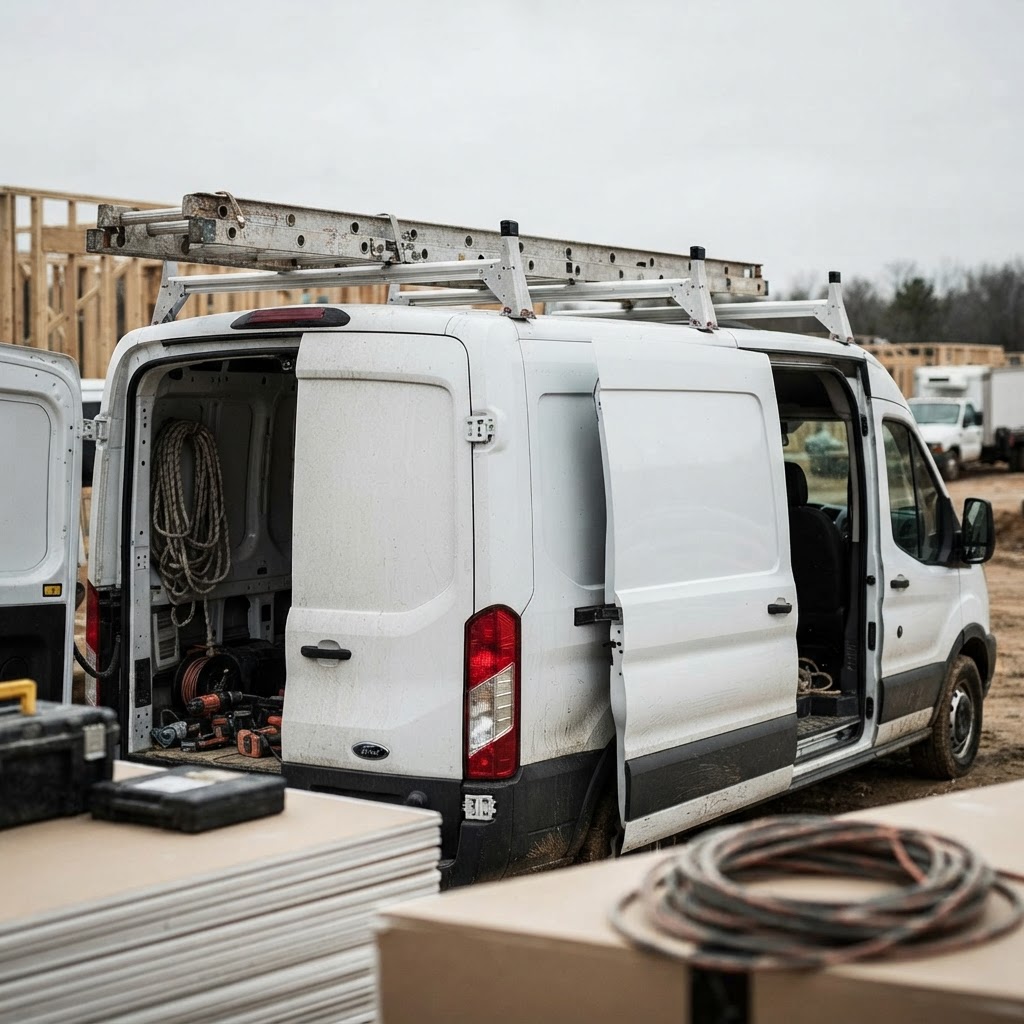
The Job Site Reality Check
We’ve all been there. It’s 4:30 PM on a Friday, the rain is starting to turn into sleet, and you’re trying to shove a 28-foot extension ladder into the back of a cramped Ford Transit. You’re scraping the headliner, denting the bulkhead, and praying you don’t shatter the windshield. Meanwhile, your conduit is sliding around like a greased pig, and your interior space—which should be for tools and parts—is just a glorified storage locker for long stock. It’s inefficient, it’s unprofessional, and it’s costing you money every time you have to unload the whole van just to reach a drill.
I’ve spent years bolting gear to work trucks, and I’ve seen guys try to save a buck with DIY wood racks or cheap, flimsy universal bars that whistle like a tea kettle at highway speeds. A proper ladder rack isn’t just an accessory; it’s a force multiplier. When you move your heavy lifting to the roof, you reclaim your workspace and stop treating your van like a Tetris game. Let’s talk about how to get your gear up top where it belongs.
What We're Testing
We are looking at the Vantech H1 Ladder Roof Rack system. This isn't a show-pony rack for weekend warriors; it’s a contractor-grade solution designed to handle the daily grind. We evaluated this system based on four critical metrics: mounting integrity, load-bearing capacity, weather resistance, and the "daily-use" factor—how easy it is to actually get a ladder on and off when you’re tired and in a hurry.
The Competition
When you’re shopping for a rack, you’ll run into names like Weather Guard, Buyers Products, and various universal-fit systems. Weather Guard is the "gold standard" for many, often featuring heavy-duty steel construction and integrated drop-down mechanisms, but you’ll pay a premium for that brand name, often pushing well over $1,500 depending on the configuration. Buyers Products offers solid, no-nonsense steel racks that are budget-friendly, but they often lack the refined, vehicle-specific mounting precision that Vantech provides for vans like the Transit.
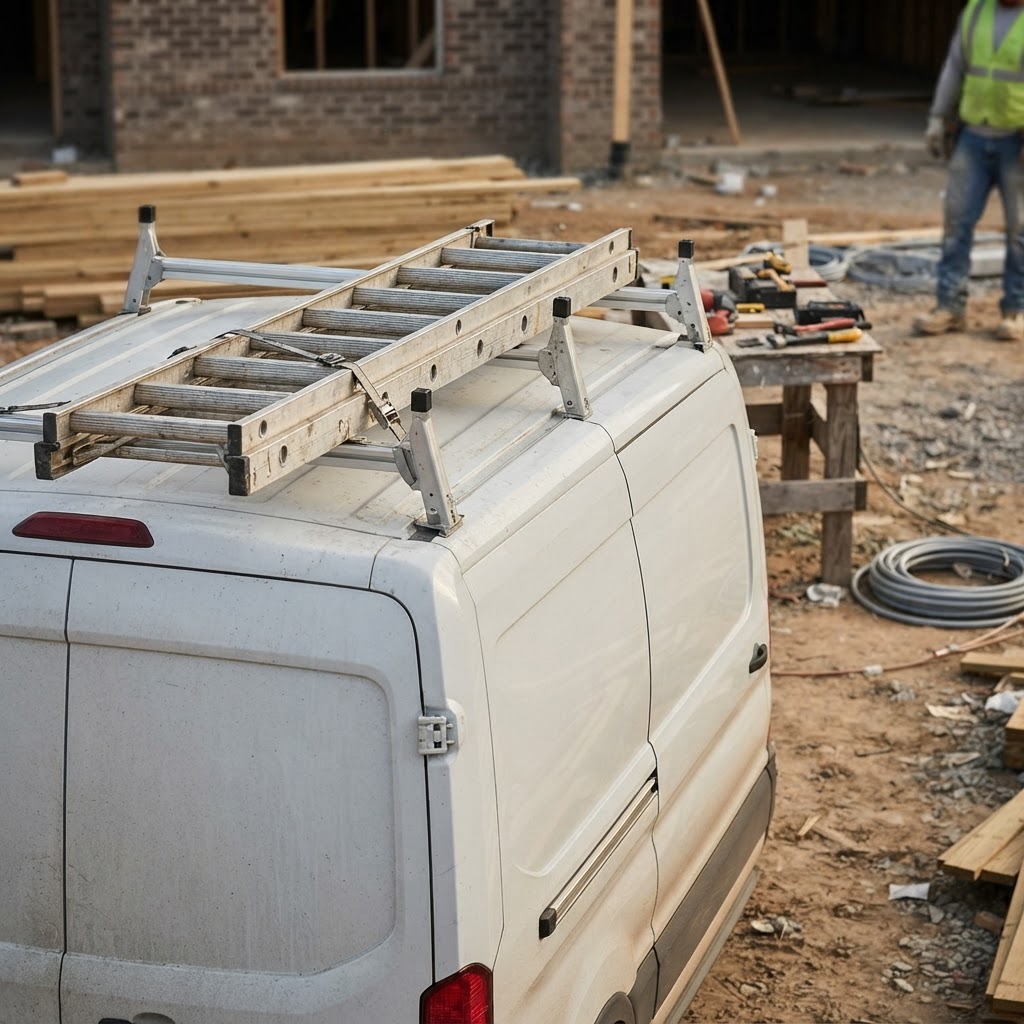
Then you have the "universal" racks found at big-box stores. Avoid them. They usually require drilling into your roof, which is a one-way ticket to rust city, and they rarely handle the weight of a fully loaded extension ladder without flexing. The Vantech H1 Ladder Roof Rack for Ford Transit Cargo Van 2015-On - Silver stands out because it balances a professional-grade 750lb capacity (on 6-mount systems) with a no-drill installation that respects your vehicle’s factory mounting points. It’s the best "bang for your buck" for a contractor who needs reliability without the massive overhead of a custom-fabricated system.
| Product | Capacity | Material | Price Range | Warranty/Notes |
|---|---|---|---|---|
| Vantech H1 (Editor's Pick) | 500-750 lbs | Steel/Aluminum | $400 - $850 | No-drill, vehicle specific |
| Buyers Products Steel Rack | 500 lbs | Steel | $300 - $600 | Budget-friendly, basic |
| Weather Guard Series | 750+ lbs | Steel/Aluminum | $1,200 - $2,000+ | Premium, integrated features |
Installation & Fit
One of the biggest "gotchas" with van racks is the installation. Many cheaper systems require you to drill through your roof, which is a nightmare for leaks and resale value. The Vantech H1 is designed to bolt into the factory mounting points on your Ford Transit.
Plan for about 2 to 3 hours if you’re doing it solo. You’ll need a solid socket set, a torque wrench, and a buddy to help lift the crossbars onto the roof. The hardware is generally high-quality, but keep an eye on the rubber gaskets—make sure they are seated perfectly to prevent water ingress. A pro tip: use a little anti-seize on the bolts. You’ll thank yourself in three years when you need to adjust the rack and the bolts aren't fused to the mounting base by road salt and corrosion.
Long-Term Durability
I’ve seen these racks after two seasons of heavy use. The steel versions, if kept clean, hold up well, but if you’re in a region that salts the roads, the aluminum or stainless steel options are worth the extra investment. Vibration is the silent killer of racks; check your bolts every oil change. If a bolt works loose, the vibration will oval out the mounting holes, and once that happens, the rack is compromised. The H1’s rectangular crossbars are inherently more rigid than round tubing, which helps prevent that annoying "ladder bounce" on the highway.
Pros & Cons
Pros:
- No-Drill Mounting: Protects your van’s roof integrity and resale value.
- High Capacity: Rated for up to 750 lbs (on 6-mount configurations), plenty for heavy extension ladders and conduit.
- Versatility: The H1 system allows for easy addition of accessories like conduit carriers or extra tie-down points.
- Rigidity: Rectangular crossbars minimize flex and wind noise compared to round bars.
Cons:
- Assembly Required: It’s not a "bolt-on-in-five-minutes" kit; you have to put the pieces together.
- Weight: The steel versions are heavy, which can impact your fuel economy slightly if you’re running a high-roof van.
Our top-rated pick for this category. Available at Big League Accessories with 30-day returns and expert support.
The Verdict
If you’re a contractor, the Vantech H1 Ladder Roof Rack for Ford Transit Cargo Van 2015-On - Silver is a no-brainer. It’s a professional tool that pays for itself by saving you time and protecting your interior cargo space. The one thing to watch for? Don’t over-tighten the clamps during the initial install—get them snug, let the rack settle for a week, and then do a final torque check. Keep it tight, keep it loaded, and get back to work.