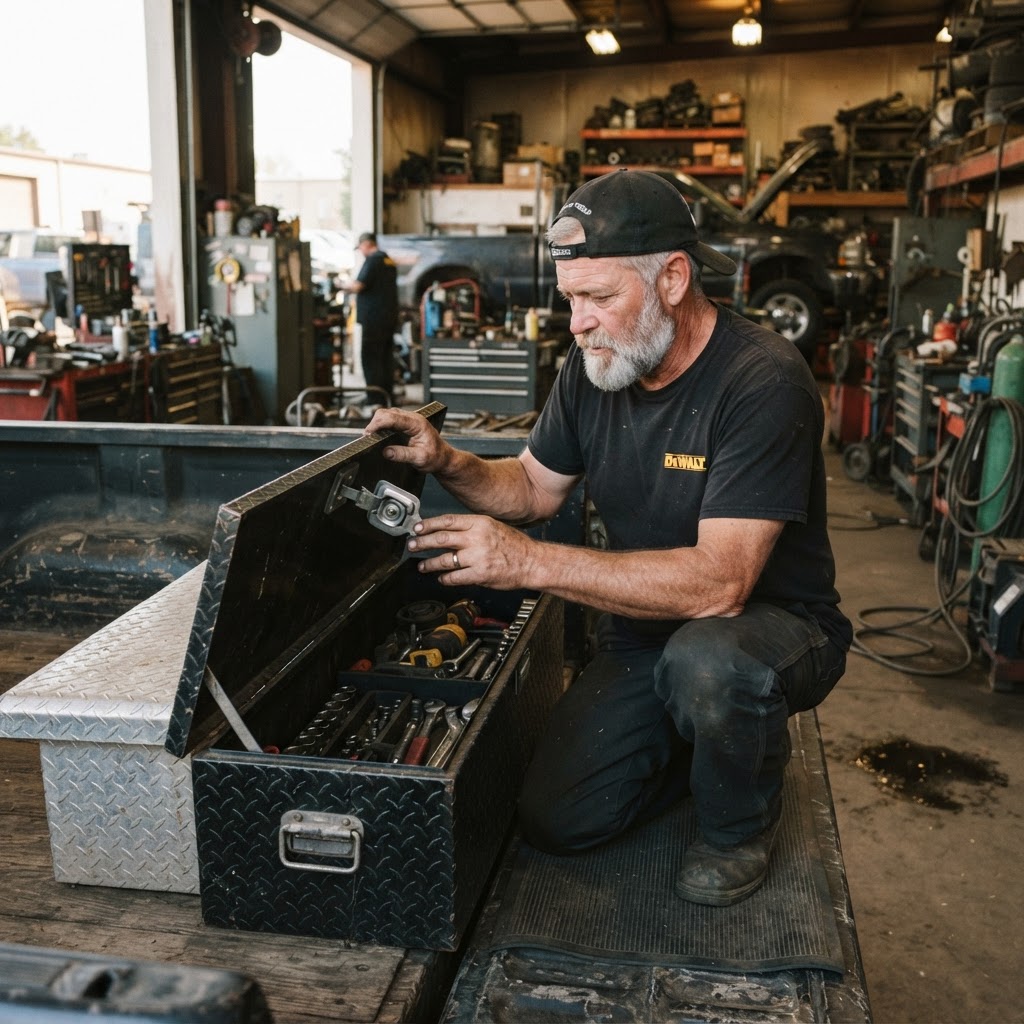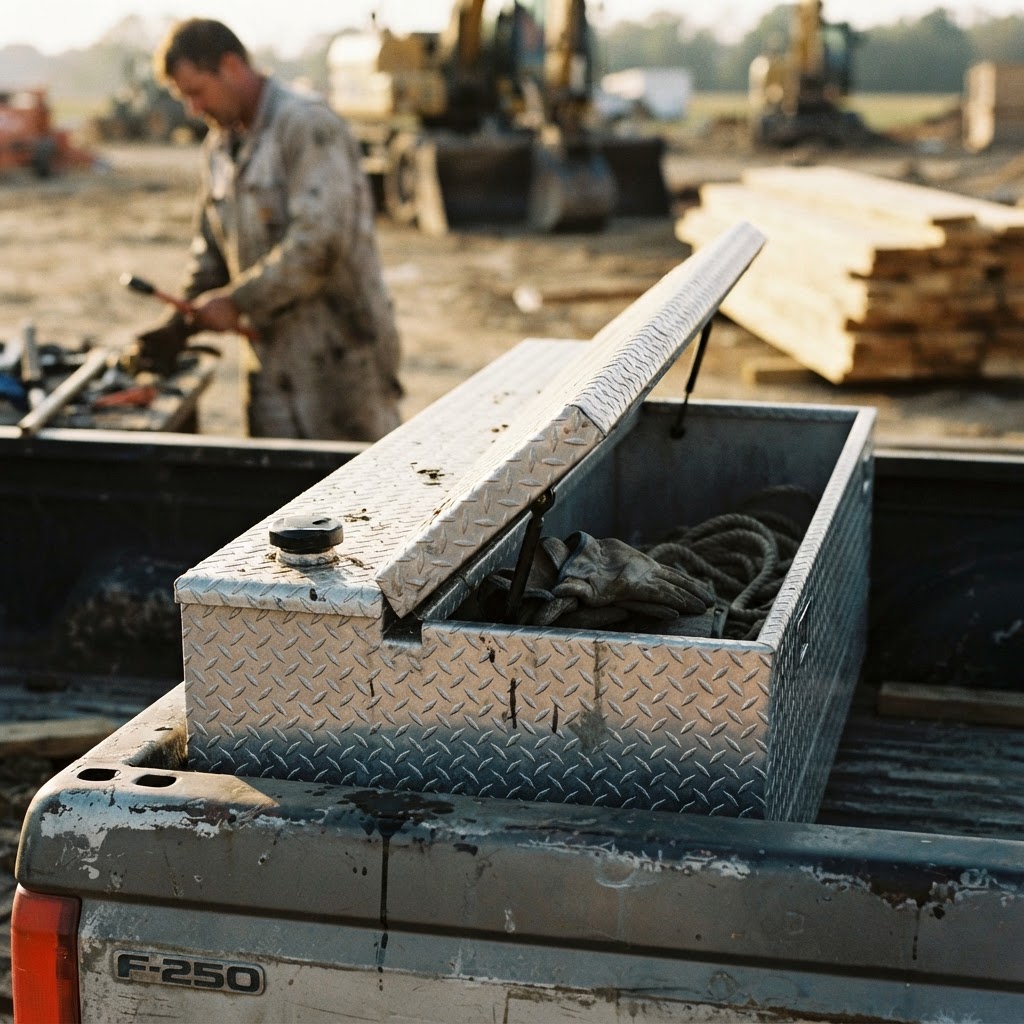
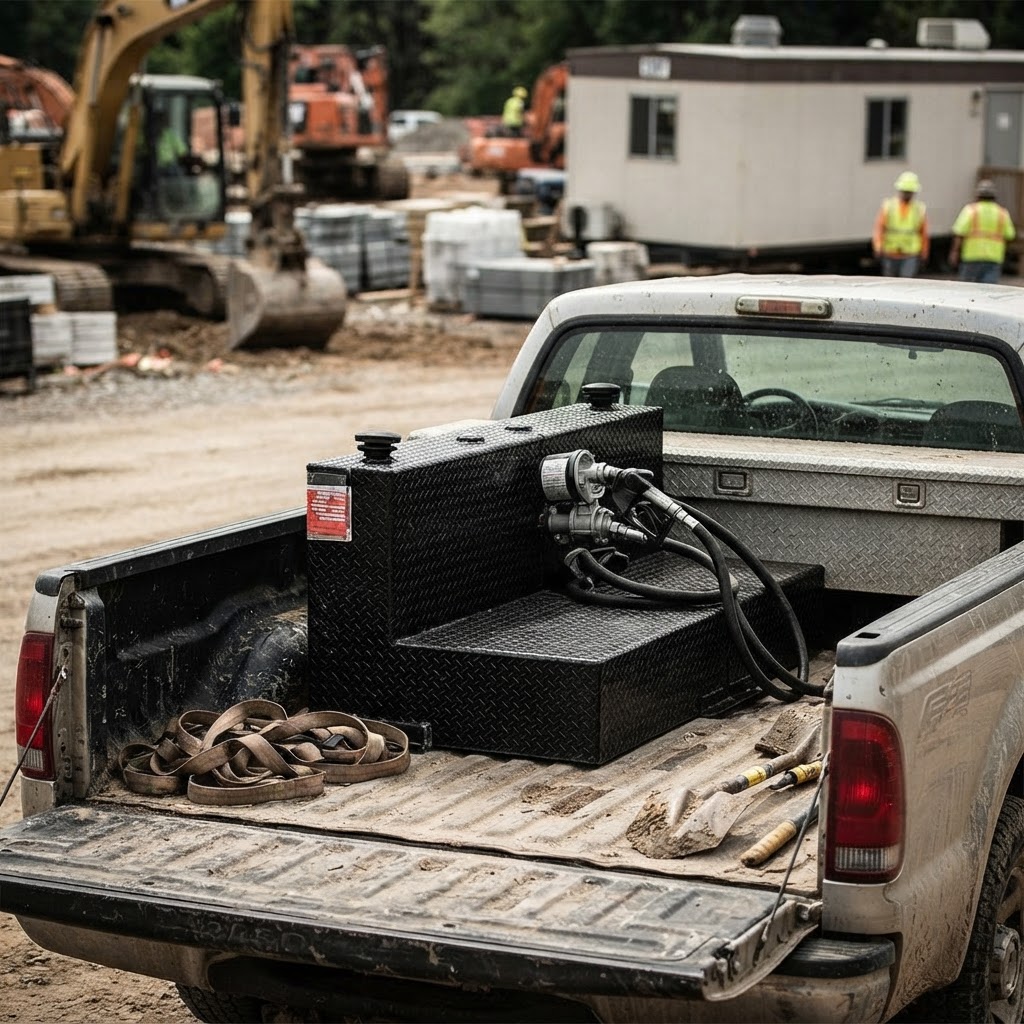
It’s 3:00 PM on a Tuesday, the sun is beating down, and your excavator just sputtered to a halt in the middle of a backfill. You’re three miles from the nearest paved road, and your crew is standing around waiting for fuel. This is the exact moment you realize that relying on five-gallon jerry cans is a losing game. I’ve been there, and I’ve seen the frustration of a stalled job site because of a simple lack of diesel. A professional transfer tank isn't just a luxury; it’s a critical piece of infrastructure for any serious contractor. When you’re running heavy equipment, you need a reliable, safe, and legal way to bring the fuel to the work, not the other way around. ## What We're Testing We’re looking at the heavy-duty world of liquid transfer tanks. These aren't the flimsy plastic jugs you find at a big-box store; these are steel or aluminum vessels designed to be bolted into the bed of a work truck. We evaluated these units based on four pillars: mounting security, load-bearing capacity, weather resistance, and daily usability. A good tank needs to handle the vibration of a job site without cracking, keep your fuel clean, and integrate seamlessly with your existing tool storage. We look for tanks that don't just sit in the bed, but actually improve your workflow.
The Competition When you’re shopping for a tank, you’ll see names like Weather Guard, Dee Zee, and UWS. Weather Guard is a staple for steel tanks, offering solid, powder-coated options that are built to last. Dee Zee offers a wide range of aluminum and steel tanks, often at a more accessible price point for private use. UWS is another heavy hitter, known for their American-assembled aluminum units. However, when you need to handle both diesel and gasoline, you need to look at specialized manufacturers like ATI (Aluminum Tank Industries). The ATI 95 Gallon Black L-Shape Split Dual-Fuel Refueling Tank stands out because it is built under a U.S. DOT special permit that covers both gasoline and diesel, which is a massive advantage over standard diesel-only tanks. It’s our top pick because it offers the versatility of a split design, allowing you to carry two different fuels or a fuel/oil mix, all while fitting perfectly under a standard crossover toolbox.
| Product | Capacity | Material | Price Range | Warranty/Notes |
|---|---|---|---|---|
| ATI 95 Gallon Split | 95 Gallons | Aluminum | $1,600+ | DOT Special Permit for Gas/Diesel |
| Weather Guard Steel | 50-110 Gallons | Steel | $1,000-$1,500 | Limited Lifetime; Diesel Only |
| Dee Zee Specialty | 39-111 Gallons | Aluminum/Steel | $600-$1,200 | Varies; Mostly Diesel/Non-Flammable |
Installation & Fit Installing a transfer tank is a serious job that requires more than just a drill and a prayer. First, you need to measure your bed space, accounting for wheel wells and any existing toolboxes. Always check underneath the bed before you drill—I’ve seen too many guys punch a hole right through a brake line or a wiring harness. You’ll want to use rubber isolation bushings to absorb road vibration; without them, the constant flexing of the truck bed will eventually cause the tank to crack or the mounting tabs to fail. Most manufacturers, including those found at Big League Accessories, provide specific hardware kits. Take the time to use them. If you’re working with an aluminum bed, make sure to use a zinc-rich primer on your drilled holes to prevent galvanic corrosion.
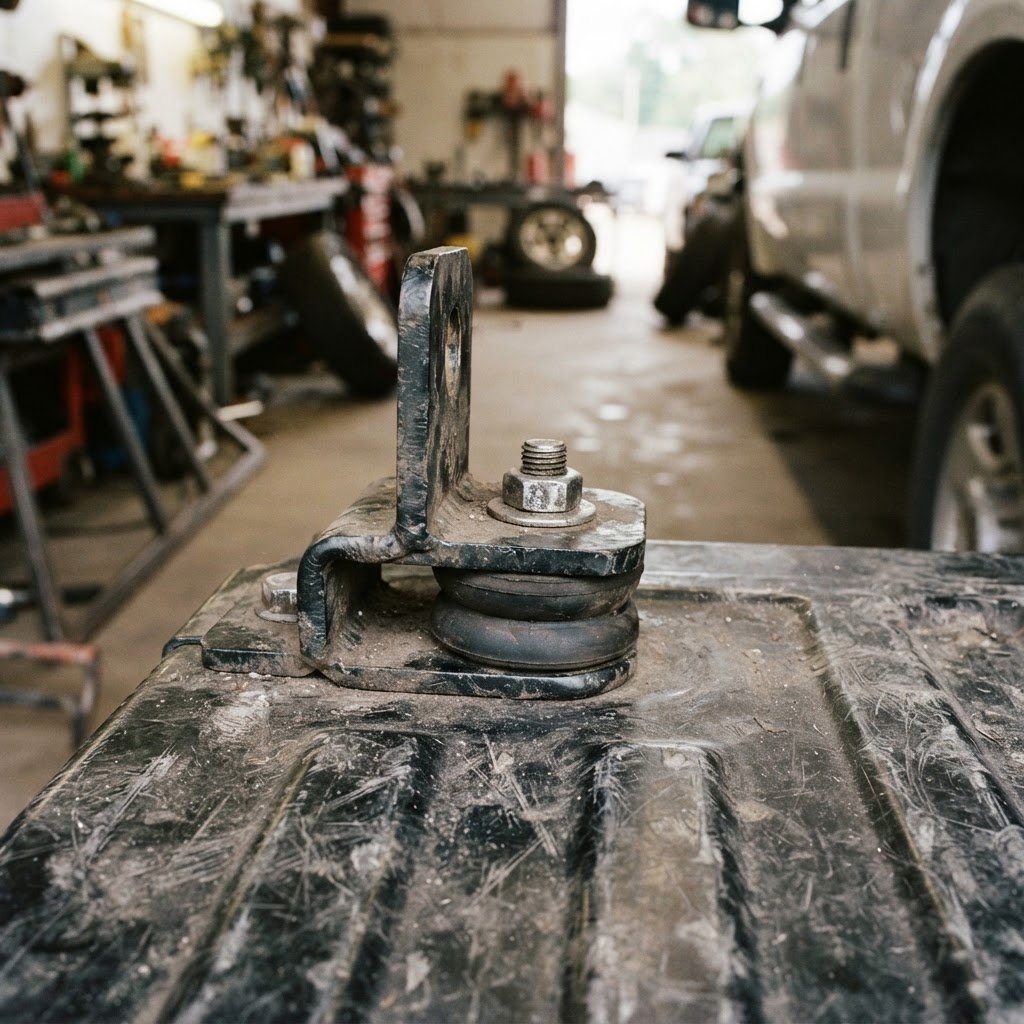
Long-Term Durability A tank is only as good as its finish and its welds. Over a season of heavy use, you’re going to deal with UV exposure, road salt, and the constant shifting of cargo. Steel tanks need a high-quality powder coat to prevent rust, while aluminum tanks need to be checked for stress fractures around the welds. The biggest killer of these tanks is over-tightening the mounting hardware, which defeats the purpose of the isolation bushings. If you treat the tank like a structural member of the truck, it will last for years. If you just throw it in and bolt it down tight, expect leaks within a year. ## Pros & Cons Pros * Increased Efficiency: Spend less time at the gas station and more time on the job. * Versatility: Split tanks allow for multiple fuel types or fuel/oil combinations. * Durability: Professional-grade materials withstand the rigors of construction sites. Cons * Payload Impact: A full tank is heavy; always calculate your truck's total payload capacity. * Installation Complexity: Requires careful planning to avoid vehicle components under the bed.
Our top-rated pick for this category. Available at Big League Accessories with 30-day returns and expert support.