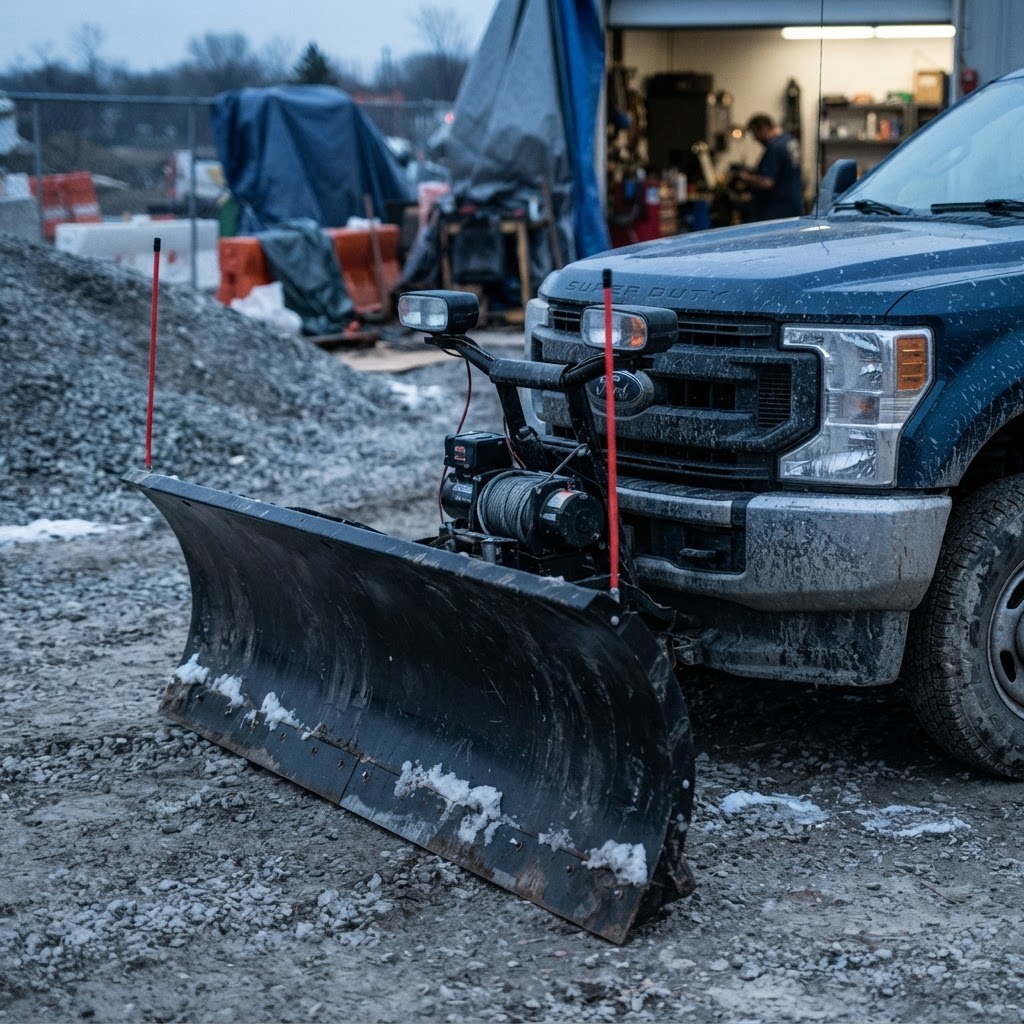
I’ve spent the better part of three decades in the cab of a truck, and I can tell you exactly what 3:00 AM feels like when a 'nor-easter is dumping two inches of wet, heavy slush an hour. It’s the sound of the wind whistling through the door seals and the smell of cold diesel and stale coffee. Last January, I was standing in my driveway in upstate New York, looking at a three-foot drift that had completely swallowed my F-150. My neighbor was already out there, hunched over a plastic shovel, looking like he was one heavy lift away from a trip to the ER. I didn’t reach for a shovel. I climbed into the cab, hit the remote start, and picked up a small wireless transmitter sitting on my dashboard.
Ten minutes later, I was dropping eighty-two inches of powder-coated steel onto the asphalt with the push of a button. While the rest of the block was struggling to clear a path to the mailbox, I was stacking six-foot banks at the edge of the cul-de-sac. That’s the difference between owning a truck and making your truck work for you. But here’s the thing: not all plows are built for the long haul. I’ve seen cheap, flimsy blades fold like a lawn chair the second they hit a hidden curb, and I’ve seen over-engineered monsters blow out a front suspension in a single season. You need gear that balances weight, power, and simplicity. You need something that doesn’t require a degree in hydraulic engineering to fix when a solenoid goes south in sub-zero temps. That brings us to the rig I’ve been beating on for the last two seasons.
This isn't just about moving snow; it's about the mechanical sympathy you have for your vehicle. When you bolt a quarter-ton of steel to the front of a half-ton pickup, you're changing the physics of that machine. I've seen guys buy the cheapest universal-fit plow they could find, only to have it rip the tow hooks right out of the frame because the mounting system was garbage. If you're going to do this, you do it right. You want a mount that distributes the load across the frame rails, a lift mechanism that won't freeze up when the mercury hits ten below, and a blade that can take a hit from a frozen manhole cover without turning into a pretzel.
What We're Testing
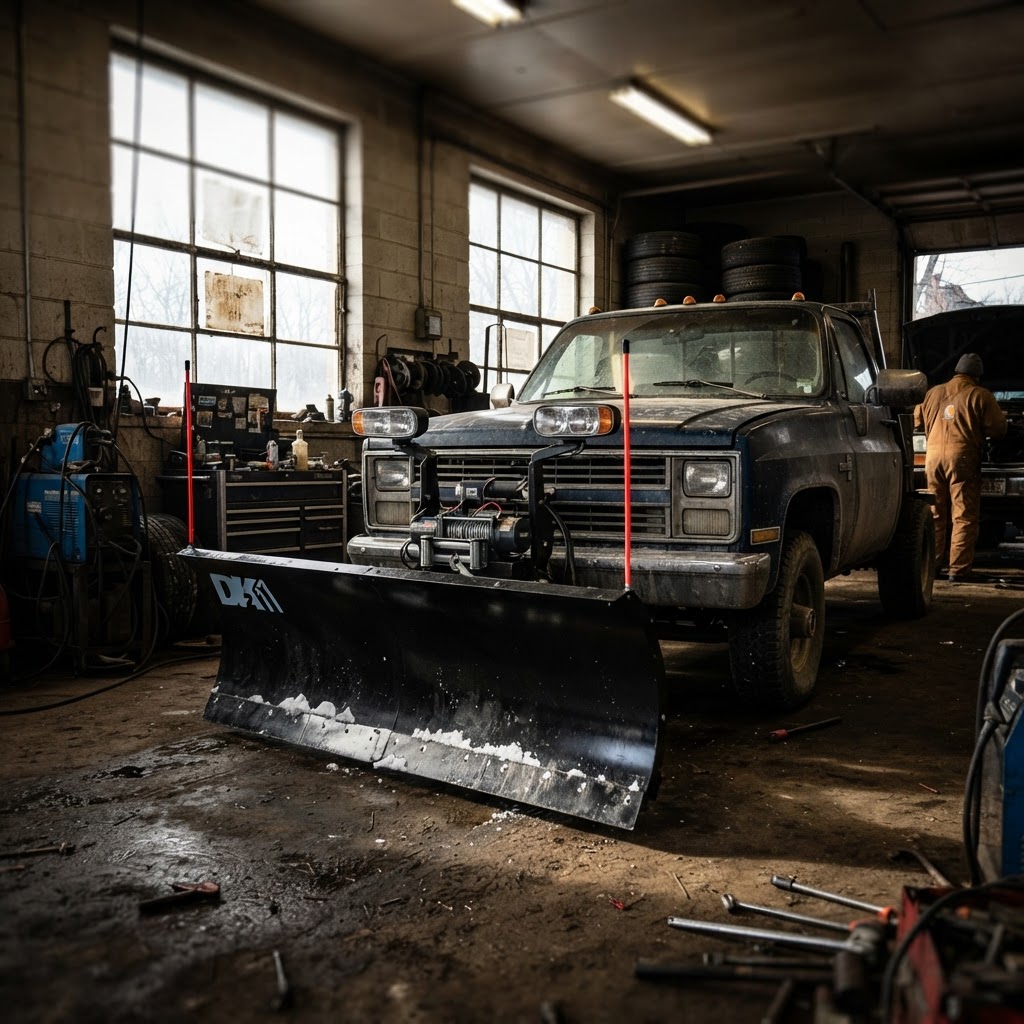
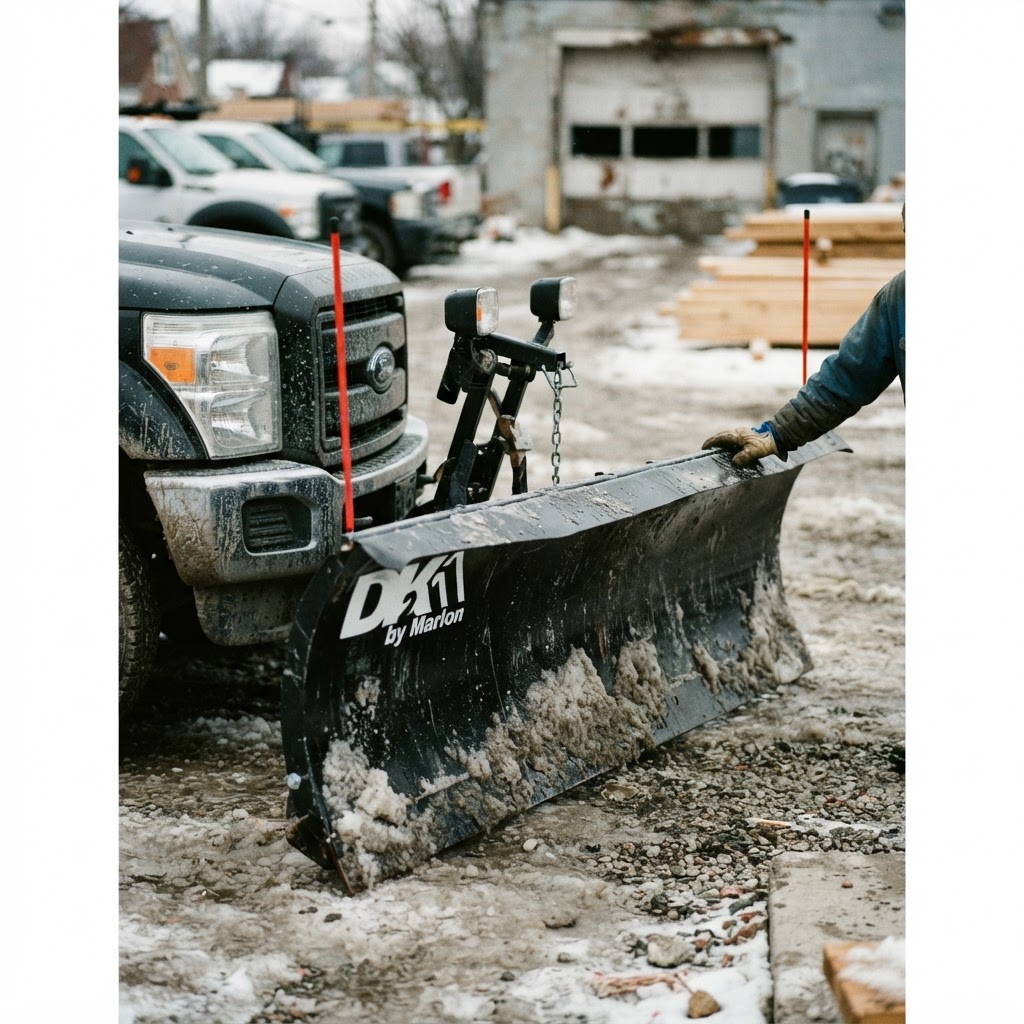
Today we’re breaking down the DK2 by Marlon RAMPAGE II 82 in. x 19 in. Custom-Mounted Snow Plow with Wireless Winch. This isn’t some universal-fit, strap-on gimmick. This is a personal-grade plow designed for half-ton trucks and full-size SUVs that utilizes a vehicle-specific custom mounting system. We evaluated this unit based on four critical blue-collar metrics. First, the Mounting System: how much of a pain is it to get this thing on the truck, and does it stay rigid when you’re pushing a foot of wet "heart-attack" snow? Second, the Load Handling: we looked at how the 3,000 lb. wireless winch manages the vertical lift of the 265-pound blade over repeated cycles. Third, Weather Resistance: we left this unit exposed to road salt, brine, and sub-zero slush for months to see where the rust starts blooming. Finally, Daily Use: we tested the responsiveness of the wireless remote and the effectiveness of the dual trip springs when you inevitably clip a frozen obstacle.
Evaluating a plow isn't just about the first pass; it's about the hundredth pass. It's about how the winch motor sounds after it's been cycling all morning. It's about whether the wireless signal cuts out when there's a layer of ice over the receiver. We put this unit through the ringer in conditions that would make a polar bear stay inside. We tested it on gravel, on cracked asphalt, and on smooth concrete to see how the high-carbon steel scraper edge held up. We also paid close attention to the frame stress—checking for any signs of metal fatigue or bolt backing at the mounting points. This is a tool, not a toy, and we treated it as such.
The Competition
The light-duty plow market is crowded, and there's a lot of junk out there. To understand where the Rampage II stands, you have to look at the heavy hitters in the category. First, there’s the Meyer HomePlow. Meyer is a legendary name, and their entry-level HomePlow is a solid piece of kit. It features an "auto-angling" system that uses the motion of the truck to pivot the blade. It sounds good on paper, but in my experience, it can be finicky in heavy, wet snow where you need precise control. If the snow is too heavy, the blade won't angle correctly, and you'll find yourself fighting the steering wheel. It’s also generally more expensive, often pushing into the $2,000+ range once you factor in shipping and specific mounting hardware.
Then you’ve got the SnowBear Pro Shovel. This unit typically uses a linear actuator instead of a winch. Linear actuators are smooth and quiet, but they have a major drawback: speed. They move at a glacial pace compared to a winch. Furthermore, when a linear actuator fails, it’s usually a sealed unit that you can't fix in the field. The SnowBear units often use a universal 2-inch hitch mount. While convenient, a hitch mount puts a lot of leverage on a single point, which can lead to frame stress or a "wobbly" blade feel during high-speed passes. Prices for the SnowBear hover around $1,500 to $1,800 depending on the retailer, but you sacrifice that rock-solid frame connection.
We also looked at the Black Widow Aluminum Snow Plow. Going with aluminum saves weight, which is great for your front-end alignment and fuel economy, but I’ve found that aluminum blades lack the "bite" needed for hard-packed ice. They tend to chatter over the surface rather than scraping it clean. Plus, they often lack the robust trip-spring tension found in steel units. If you hit a curb with an aluminum blade, you aren't just replacing a bolt; you're likely looking at a bent moldboard.
After dragging these units through the mud (and the snow), the DK2 by Marlon RAMPAGE II earns the Editor’s Pick. Why? Because it sticks to the basics: heavy-gauge steel, a powerful winch that is easy to service, and a custom-mount system that distributes the load across the truck's frame. It’s the most "honest" plow for the money. If a winch cable snaps, you can swap it in ten minutes with basic tools. If a hydraulic line on a Meyer blows or a SnowBear actuator fries, you're done for the day. For a tradesman, serviceability is king. You want the gear that you can fix in your driveway with a wrench and a pair of pliers.
| Product | Capacity/Size | Material | Price Range | Warranty/Notes |
|---|---|---|---|---|
| DK2 Rampage II | 82" x 19" | Powder-Coated Steel | $1,870.00 | 1-Year / Wireless Winch Lift |
| Meyer HomePlow | 80" x 22" | Steel | $1,600 - $2,200 | 1-Year / Auto-Angling Tech |
| SnowBear Pro Shovel | 82" x 19" | Steel | $1,400 - $1,900 | 1-Year / Linear Actuator Lift |
| Black Widow Plow | 82" x 19" | Aluminum | $1,300 - $1,600 | 1-Year / Lightest Weight |
Installation & Fit
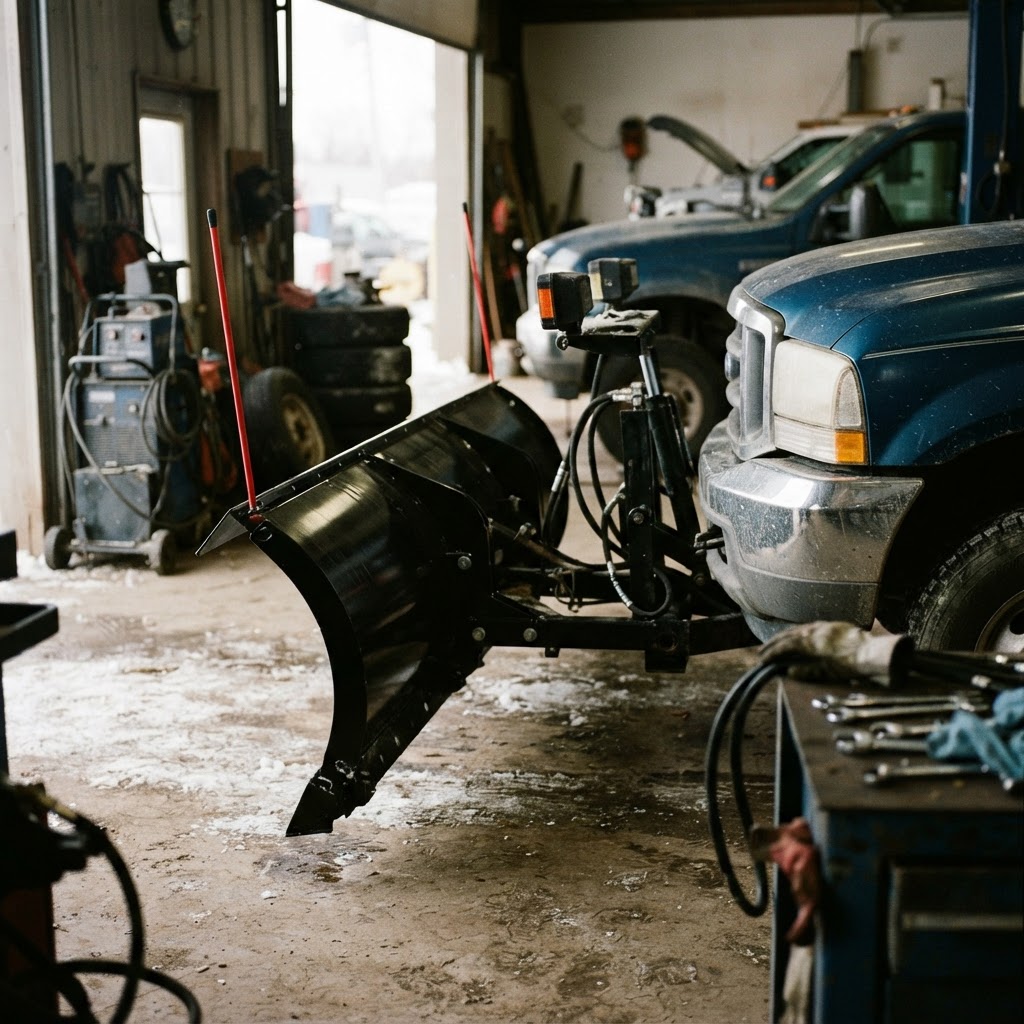
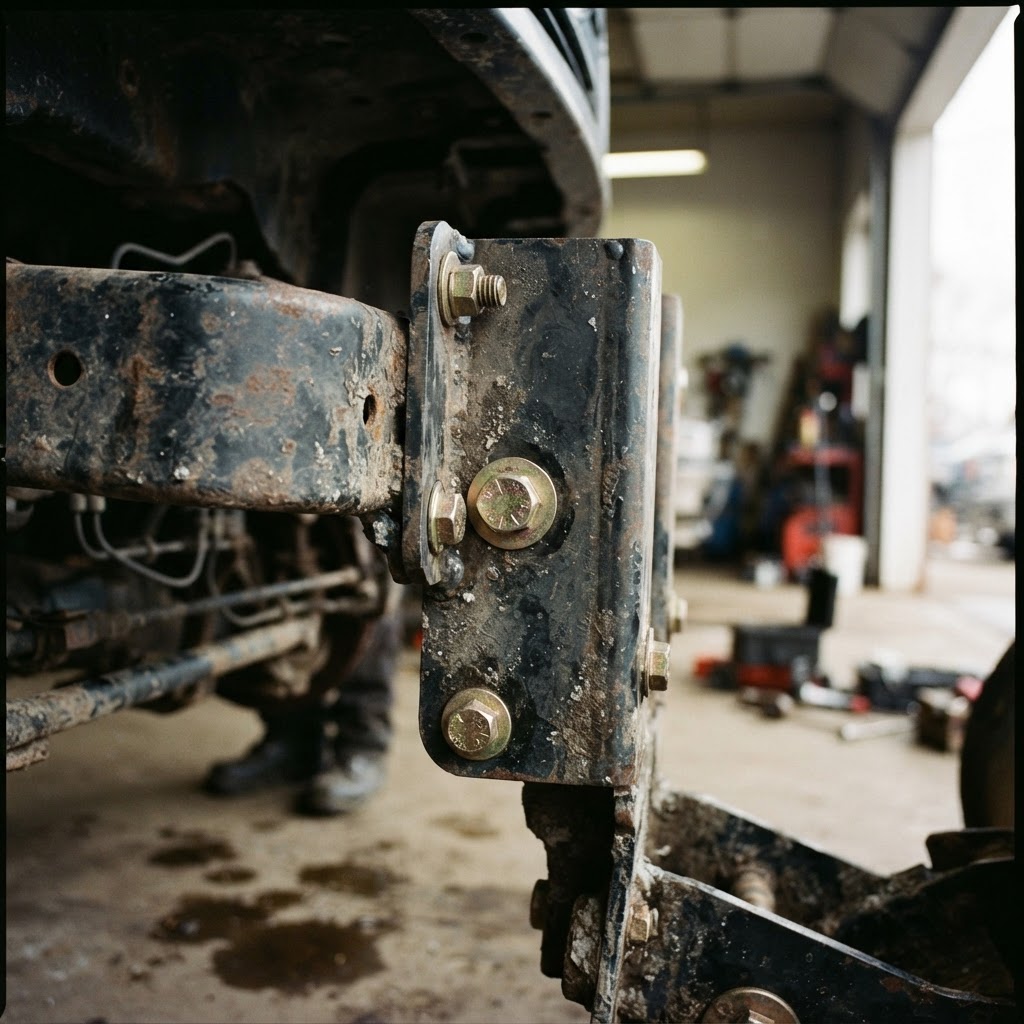
Listen, if you’re the type who hates reading manuals, grab a cold one and settle in, because the custom mount install requires precision. Unlike those "one-size-fits-all" plows that wobble in a front hitch receiver, the Rampage II uses brackets that bolt directly to your truck’s frame. This is where the strength comes from. You're not just hanging a weight off the front; you're integrating the plow into the truck's skeleton.
Vehicle-Specific Brackets: You have to order the brackets specific to your year, make, and model. This is a "gotcha" for a lot of first-time buyers. Don’t expect the plow to come with everything you need to bolt to your specific F-150 or Silverado—you need that mounting kit. The upside? Once those brackets are on, the plow is rock solid. There is zero lateral play when you’re pushing at an angle. I've seen hitch-mounted plows sway three or four inches side-to-side; the DK2 stays centered, which means your steering stays predictable.
Tools & Time: You’re going to need a solid 1/2-inch drive socket set, a torque wrench (don't guestimate frame bolts, for crying out loud), and likely a floor jack to help position the heavy brackets. On a 2020 Ram, it took me about three hours from start to finish. The hardest part is often removing the factory tow hooks or air dams to get to the frame rails. Make sure you have a breaker bar handy, as those factory bolts are often installed with enough Loctite to survive an apocalypse.
The Winch Wiring: The 3,000 lb. winch is the heart of this beast. DK2 gives you a wireless controller, which is a godsend because it means you don't have to drill through your firewall to run wires into the cab. However, make sure you mount the control box in a high, dry spot under the hood. Even though it's sealed, road salt is liquid gold for corrosion. I recommend slathering every electrical connection in dielectric grease before you button it up. Also, pay attention to the battery leads. You're pulling a lot of amps when that winch is under load; ensure you have a clean, metal-to-metal contact on your battery terminals.
Long-Term Durability
I’ve put two full seasons on a Detail K2 setup, and I don't treat my gear gently. Here is the ground truth on how this category of gear holds up. The first thing you'll notice is the finish. The UV powder-coated steel is tough, but no coating survives a salt-drenched winter perfectly. You will see rust spots where the scraper blade meets the moldboard and around the trip spring eyelets. This is normal. A quick hit with some black Rust-Oleum at the end of the season keeps it from becoming a structural issue. If you ignore it, that salt will eat through the coating and start pitting the steel.
The Winch Cable: The biggest failure point on winch-lift plows is the cable. Over time, the constant up-and-down motion causes the steel strands to fray, especially at the hook point where it experiences the most flex. Keep an eye on it. If it looks fuzzy, replace it before it snaps while you're half-mile deep in a driveway. Some guys swap to a synthetic winch rope, which I highly recommend—it’s easier on the hands, doesn't rust, and is actually stronger than the steel cable it replaces.
Vibration & Latch Wear: The flip-over locking pins and the pivot point for the manual angling need grease. If you run them dry, the vibration of the road will egg-out the holes, and your blade will start to sag or rattle. Hit them with a lithium grease spray every three or four uses. Also, check the trip springs. These are designed to let the blade tilt forward if you hit a solid object. Over time, the tension can slacken. If the blade starts 'tripping' under the weight of heavy snow, you need to tighten the eyebolts to restore the proper tension.
Pros & Cons
Pros
- Massive Value: At $1,870, you’re getting a professional-grade steel blade for a fraction of a hydraulic setup. It's the best bang-for-your-buck in the personal plow market.
- Wireless Convenience: No wires through the firewall means a cleaner install and easier removal in the spring. The remote fits in a cup holder or clips to the visor.
- Structural Integrity: The custom frame mounts offer much better stability than a 2-inch hitch-mounted competitor. It feels like part of the truck, not an attachment.
- Easy Maintenance: The 3,000 lb. winch is a standard design; if it fails, parts are available at almost any off-road or hardware shop. You aren't locked into a proprietary system.
- Heavy-Duty Scraper: The high-carbon steel edge holds up well to abrasive surfaces and provides a clean scrape down to the pavement.
Cons
- Manual Angling: You have to get out of the truck to pivot the blade left or right. It’s a literal pain in the neck when the wind is blowing and the sleet is hitting your face.
- Winch Speed: It’s not as fast as a hydraulic ram. You have to time your approach so the blade is down before you hit the pile, or you'll end up overshooting your mark.
- Weight Distribution: At 265 lbs, you will notice some front-end dip on lighter SUVs. You might need to adjust your torsion bars or add a leveling kit to keep the truck sitting level.
- Winch Cable Wear: As mentioned, the cable is a wear item. You need to be proactive about inspecting and replacing it to avoid mid-storm failures.
Our top-rated pick for this category. Available at Big League Accessories with 30-day returns and expert support.
The Verdict
If you’re running a full-scale snow removal business with fifty commercial lots, go buy a $7,000 Boss or Western hydraulic V-plow. You need the speed and the in-cab angling to make that kind of volume profitable. But if you’re a contractor who needs to clear his own job sites, or a homeowner who is tired of being held hostage by the weather, the DK2 by Marlon RAMPAGE II 82 in. x 19 in. Custom-Mounted Snow Plow with Wireless Winch is the smartest money you can spend.
It’s a rugged, no-nonsense tool that treats your truck like a workhorse, not a toy. The steel is thick where it needs to be, the winch is plenty strong for the task, and the custom mount ensures you won't rip your bumper off the first time you hit a frozen slush pile. It bridges the gap between the flimsy 'homeowner' plows and the overpriced commercial units.
One thing to watch for: Always double-check your winch strap for tension before you head out on the highway. If that winch creeps and the blade drops while you're doing 55 mph, you’re going to have a very bad, very expensive day. I always use a safety chain or a secondary strap when I'm driving between jobs just to be safe. Keep it tight, keep it greased, and let the truck do the heavy lifting this winter. You've got better things to do than shovel.
Stay safe out there.