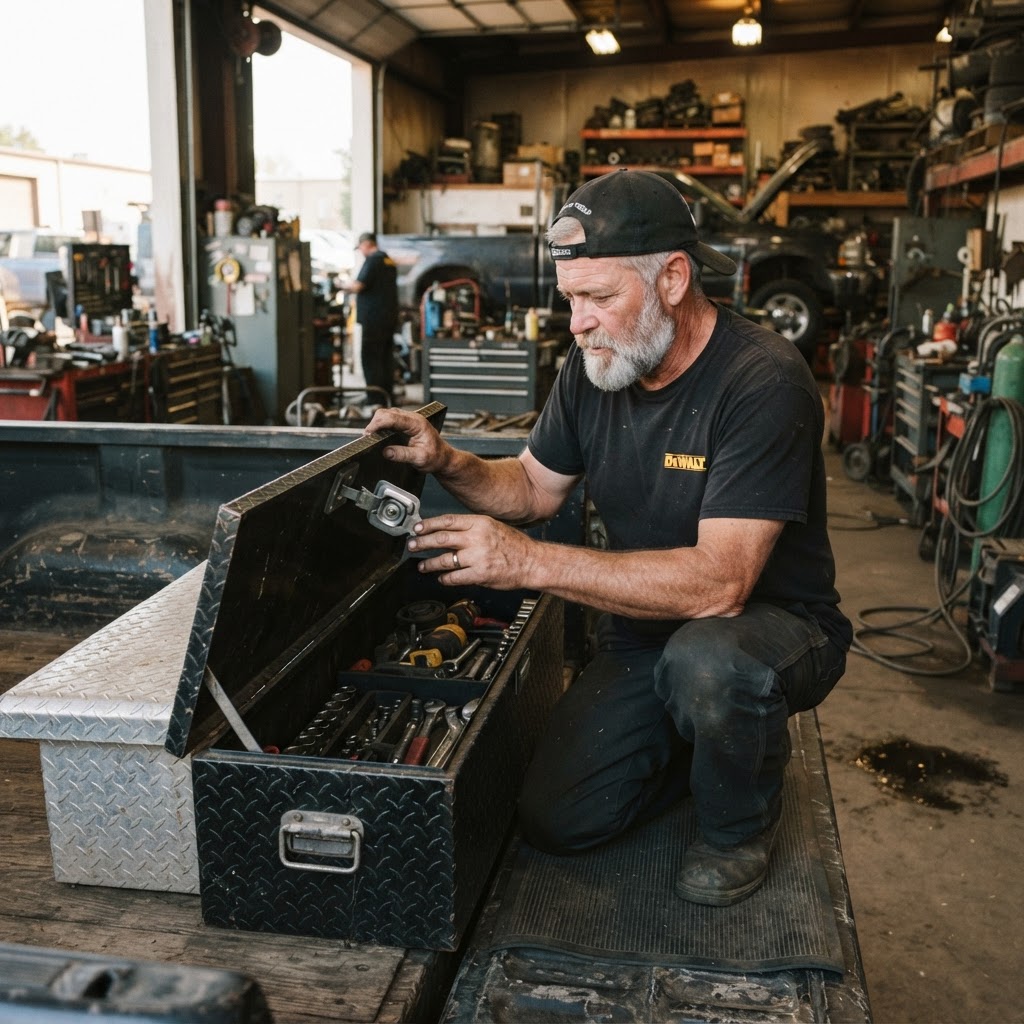
I remember a Tuesday in February back in '14. Three in the morning, zero visibility, and the wind was howling off the lake like a banshee. I was out in a customer's lot with a bargain-bin plow that had more plastic in it than a kid's toy box. Ten minutes in, I hit a hidden curb—not even hard—and the whole blade assembly buckled like a cheap suit. I spent the next four hours shoveling by hand just to get the client’s trucks out. That was the day I swore off the 'budget' stuff. In this business, if your gear fails, you don't just lose time; you lose your reputation.
Since then, I’ve bolted every brand of plow you can imagine to the front of Ford, Chevy, and Ram trucks. I’ve seen what salt does to poor welds, how wireless remotes die in the cold, and why a custom mount beats a generic front-end receiver every single day of the week. You’re not just moving snow; you’re managing weight, vibration, and extreme temperature swings. You need gear that acts like an extension of your truck’s frame, not an anchor dragging it down. When the mercury drops to ten below and the drifts are waist-high, you don't want to be second-guessing your equipment.
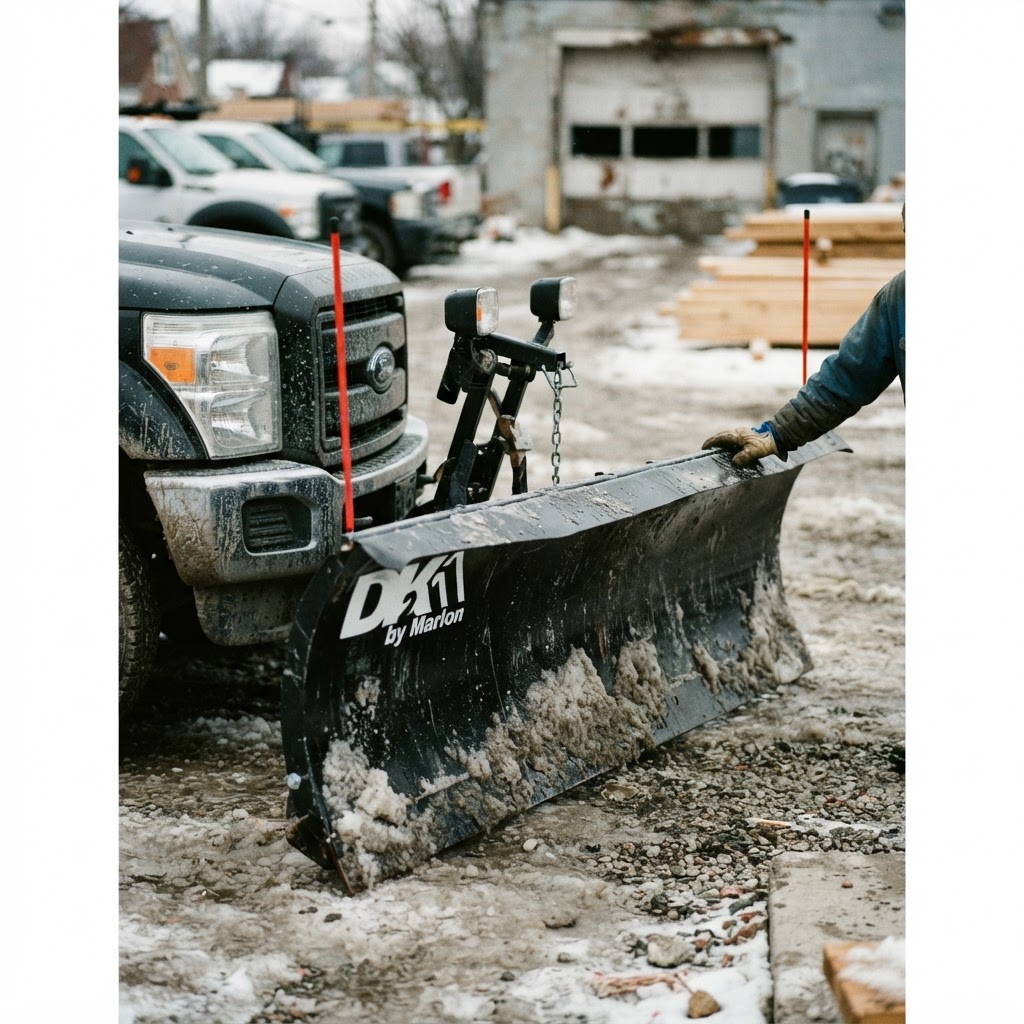
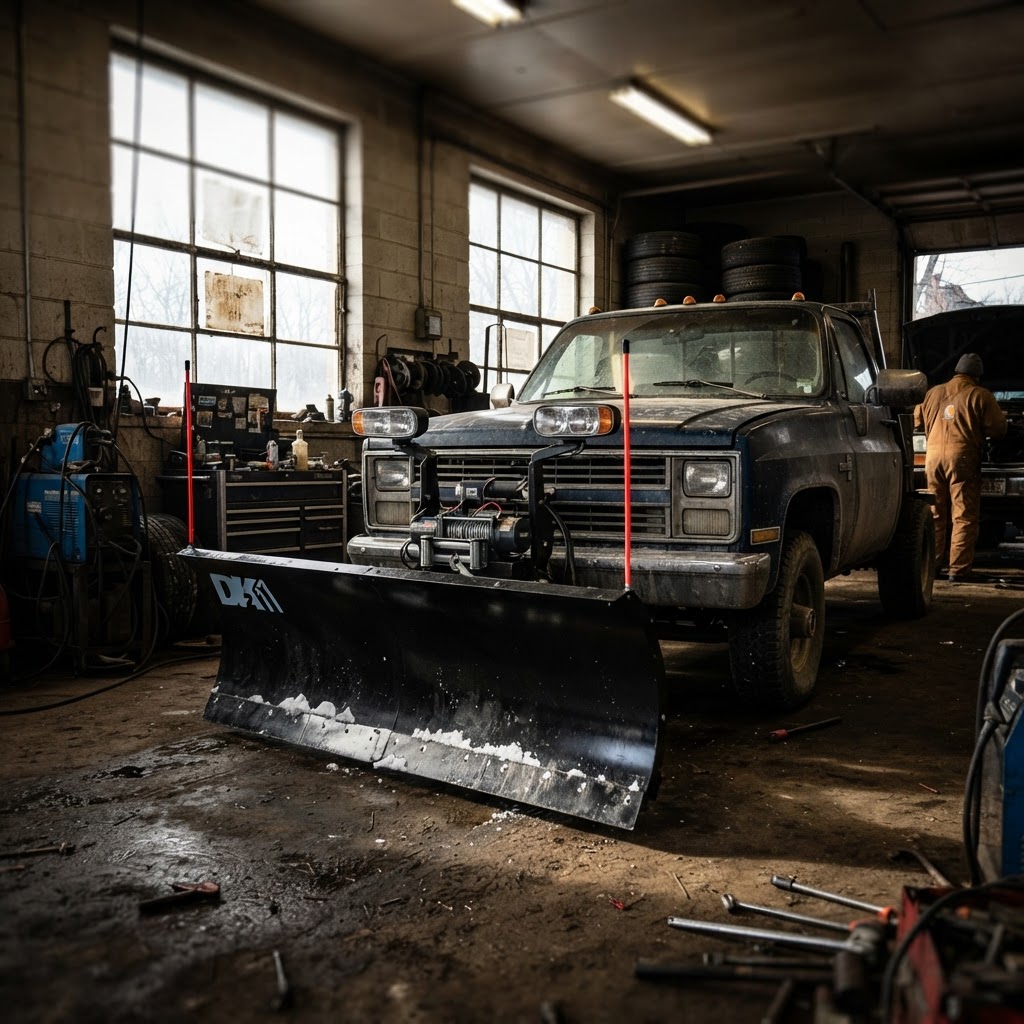
Today, we’re cutting through the marketing fluff to look at a serious contender for the contractor who needs to clear their own yard or a handful of commercial accounts without dropping five figures on a hydraulic commercial rig. We're putting the DK2 by Marlon RAMPAGE II 82 in. x 19 in. Custom-Mounted Snow Plow with Wireless Winch through the ringer. If you want the truth about how these things actually perform when the mercury drops and the drifts pile up, pull up a chair. We're looking at the steel, the welds, and the wiring that separates the tools from the toys.
What We're Testing
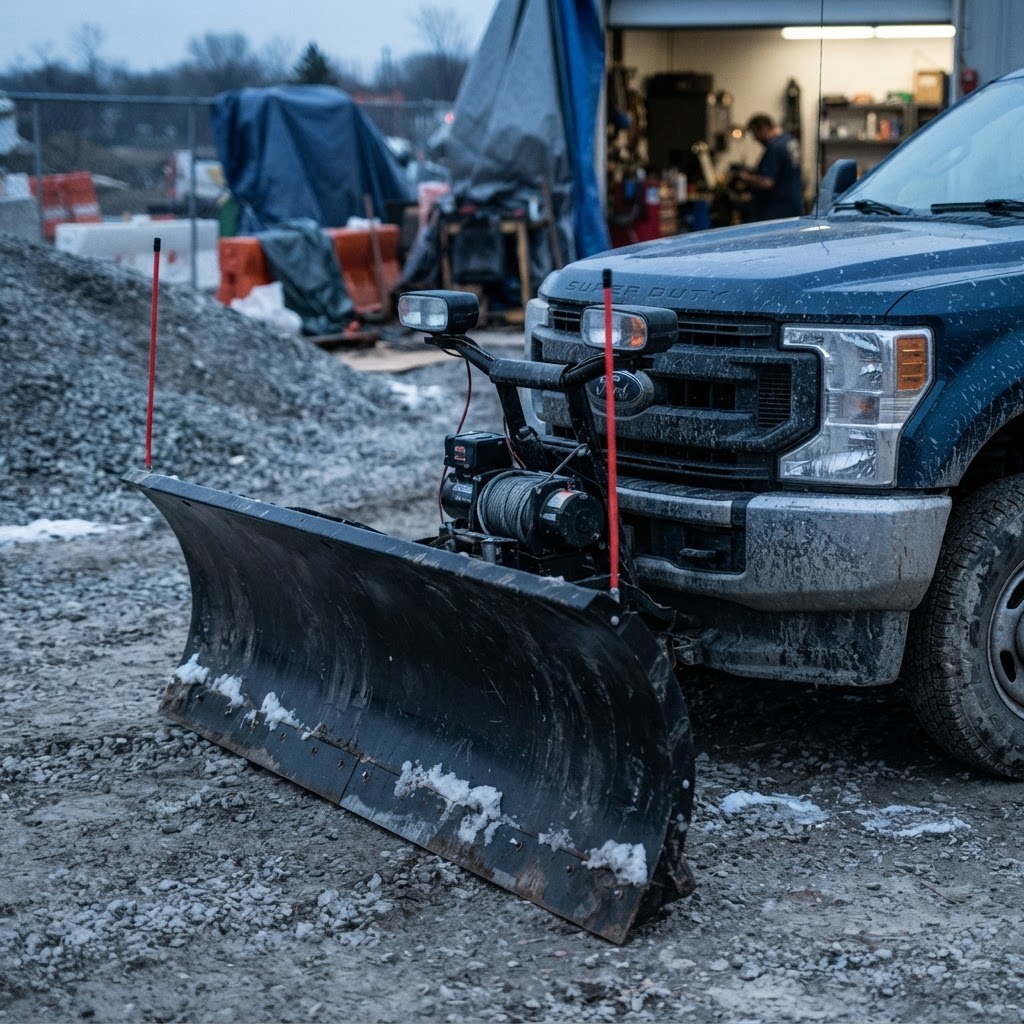
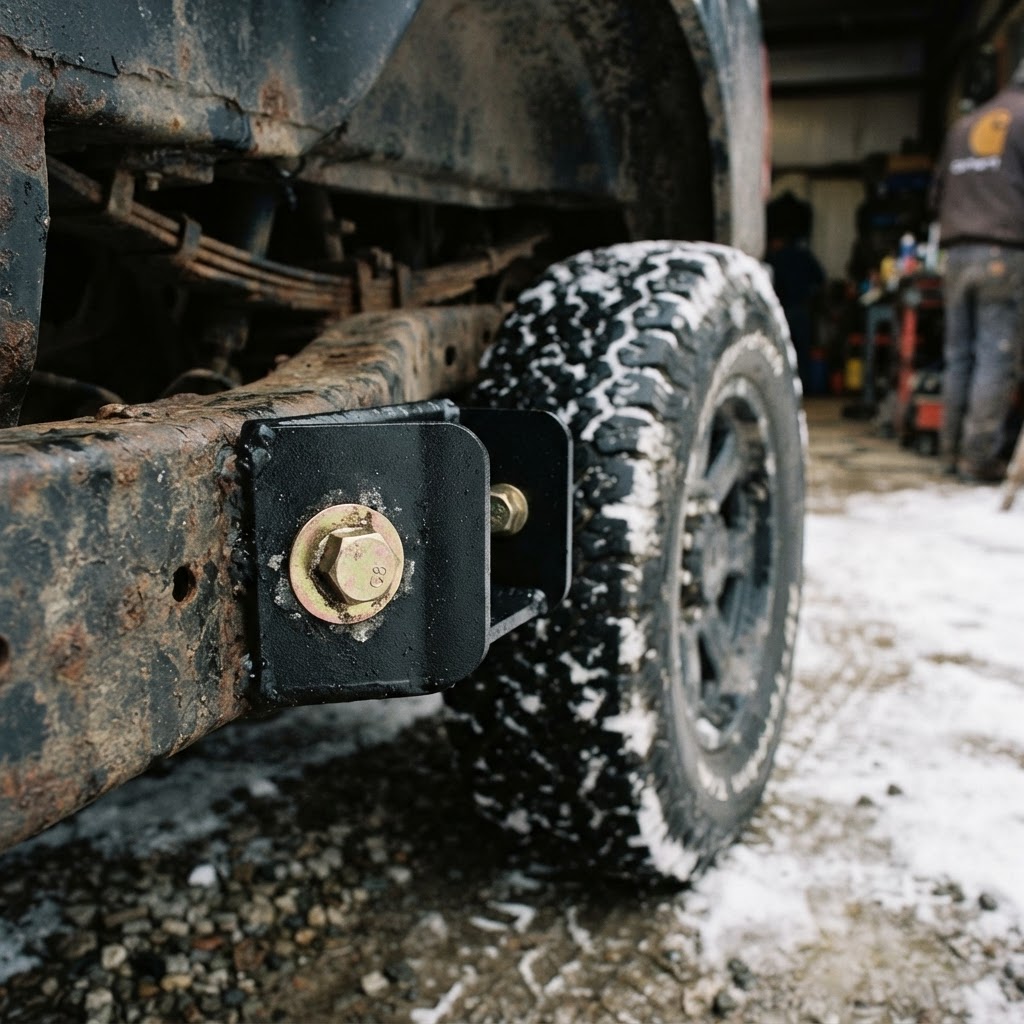
The unit on the bench is the DK2 Rampage II. This is a custom-mounted, steel-blade plow designed for personal and light-duty commercial use. Unlike the universal plows that wobble around in a standard 2-inch front receiver hitch, this one uses vehicle-specific mounting brackets that bolt directly to your truck's frame. That’s a massive distinction. When you’re pushing four inches of wet, heavy slush, you want that force distributed into the frame rails, not concentrated on a single hitch pin. The 14-gauge steel blade is reinforced with internal ribs, giving it the rigidity needed to move heavy piles without twisting.
We evaluated this gear based on three real-world metrics: stability under load, electrical reliability of the wireless winch system, and the "three-in-the-morning" factor—which is how easy it is to attach and detach when your fingers are numb and you’re running on black coffee. We tested the 82-inch by 19-inch configuration, which is the sweet spot for half-ton trucks and large SUVs like the Tahoe or Suburban. It’s wide enough to clear a path for your tires in one pass but light enough that it won't destroy your front suspension components. We also looked closely at the 3,000 lb. wireless winch, checking for signal lag and battery draw during repeated lift cycles.
The Competition
You’ve got options in this space, and you need to know where the money goes. First up is the Meyer HomePlow. Meyer is a legendary name, and their basic HomePlow starts around $3,400 to $3,800. It features an "auto-angling" system that turns the blade as you push snow. It’s clever, but I’ve found it can be frustrating if you want precise control over where you’re stacking the white stuff. It’s significantly more expensive than the DK2, and for many contractors, that price jump doesn't justify the lack of manual control. If the auto-angling mechanism freezes up or gets jammed with ice, you're stuck in one position until you can get it into a heated shop.
Then you have SnowBear. They’ve been in the personal plow game for a long time. Their 84-inch Prosumer models usually land in the $1,700 to $2,100 range. They often use a basic electric winch, similar to the DK2, but where I see them fall short is in the mounting hardware. A lot of SnowBear units rely on a universal cross-member that doesn't always feel as "locked-in" as the DK2’s custom-bracket approach. You’ll save a few bucks, but you might spend it later on replacement hardware after a season of vibration. I've seen universal mounts develop play over time, leading to a 'clunking' sound every time you drop the blade.
We also looked at Western’s Defender series. This is a professional-grade hydraulic plow. It’s a beast, with stainless steel options and full hydraulic lift and tilt. But you’re looking at $4,500 plus professional installation. For a dedicated snow removal business, it’s the gold standard. For a contractor who just needs to clear their shop and a few driveways, it’s like using a sledgehammer to drive a finish nail. The maintenance on a hydraulic system—changing fluid, checking hoses for leaks—is a whole different level of commitment.
After tearing these down, the DK2 by Marlon RAMPAGE II 82 in. x 19 in. Custom-Mounted Snow Plow with Wireless Winch earns the Editor’s Pick. At $1,870.00, it hits the perfect balance between raw durability and cost-effectiveness. The inclusion of the wireless winch—saving you from routing wires through the firewall—and the flip-down caster wheels for storage makes it the most user-friendly kit in this price bracket. It gives you the frame-mounted stability of a pro rig without the pro-rig price tag.
| Product | Blade Size | Material/Lift | Price Range | Warranty/Notes |
|---|---|---|---|---|
| DK2 Rampage II | 82" x 19" | 14-ga Steel / Wireless Winch | $1,870.00 | 1-Year / Includes casters & wireless remote |
| Meyer HomePlow (Basic) | 80" x 22" | Steel / Electric Auto-Angling | $3,400 - $3,800 | 1-Year / Auto-angling can be polarizing |
| SnowBear Prosumer | 84" x 22" | Steel / Electric Winch | $1,700 - $2,100 | 1-Year / Often uses universal cross-member |
| Western Defender | 86" x 23.5" | Steel or SS / Full Hydraulic | $4,500 - $5,200 | 2-Year / Professional grade, high entry cost |
Installation & Fit
Listen to me: Do not think you’re going to slap this on in twenty minutes between jobs. This is a "Saturday morning and a six-pack" project. The DK2 Rampage II uses vehicle-specific mounting brackets. You’ll need to order the brackets that match your specific year, make, and model. This isn't a one-size-fits-all deal, and that's exactly why it works so well once it's on.
The Hardware
We’re talking heavy-duty steel brackets and Grade 8 bolts. When you’re installing these, you’re usually going to be utilizing existing holes in your truck's frame, but on some older GMC or Ford models, you might have to enlarge a hole or two with a cobalt bit. Use a torque wrench. Don’t just "ugga-dugga" it with an impact gun until it stops. You want these brackets torqued to spec to prevent the hardware from backing out under the constant vibration of plowing. I always recommend a dab of blue Loctite on the mounting bolts for extra peace of mind.
The Winch and Wireless Setup
The wireless winch is a lifesaver for installation. Traditional plows require you to drill through the firewall to mount a toggle switch on the dash. With the DK2, you connect the winch to the battery (use the provided circuit breaker—don't skip it) and sync the remote. I recommend mounting the wireless receiver as high up in the engine bay as possible to keep it out of the salt spray. I’ve seen guys tuck them low near the bumper, and they wonder why the remote stops working by January. Use plenty of zip ties to keep the wiring away from hot exhaust manifolds and moving steering components.
The Gotchas
One thing the manual won't tell you: check your front-end height. If you’ve got a leveled truck or a lift kit, you might need to adjust the mounting height of the plow to ensure the scraper blade sits flush on the pavement. Also, if your truck has a large plastic air dam, you’re going to have to trim it or remove it entirely to get the brackets to clear. It’s a clean look once it’s done, but be prepared to take a Dremel to your plastic trim. If you're worried about resale value, buy a spare air dam now so you can swap it back when you sell the truck.
Long-Term Durability
I’ve seen a lot of guys buy a plow, use it for one season, and let it rot in the weeds all summer. If you do that with any steel plow, it’ll be a pile of orange flakes in three years. The DK2 features a UV-protected powder coat, but salt is insidious. It gets into the trip spring coils and the hinge points. You have to be proactive if you want this investment to last a decade.
Corrosion Control: At the end of every season, you need to wash this thing down with fresh water and hit the pivot points with a heavy-duty lithium grease or a lanolin-based rust inhibitor like Fluid Film. The 14-gauge steel blade is thick enough to handle the hits, but the scraper blade (the part that actually touches the ground) is a wear item. Expect to replace the steel scraper blade every 2-3 seasons depending on how much pavement you're scouring. If you start seeing sparks, you've waited too long.
The Winch Cable: This kit uses a synthetic strap or steel cable for the winch. If you’re not careful and you over-spool it, you can bird-nest the winch. I always tell my guys to keep a little tension on the line when lowering the blade. It keeps the spool neat and prevents the cable from snapping under a sudden load. Also, check the winch motor housing for cracks after a particularly cold snap; moisture can get in there and freeze, causing issues.
Trip Springs: The Rampage II uses a trip-blade system. If you hit a frozen manhole cover, the blade tilts forward to absorb the shock. Check these springs every November. If they’re losing tension, you’re going to have a bad time when you hit a bump at 10 mph. A little bit of grease on the spring eyelets goes a long way in preventing that annoying squeak every time the blade moves.
Pros & Cons
Pros
- Custom Frame Mounts: Provides a much more stable platform than hitch-mounted competitors, reducing "blade chatter" and improving scraping performance.
- Wireless Control: No drilling through the firewall and no messy cables hanging under the steering column. The remote works from inside the cab or standing outside.
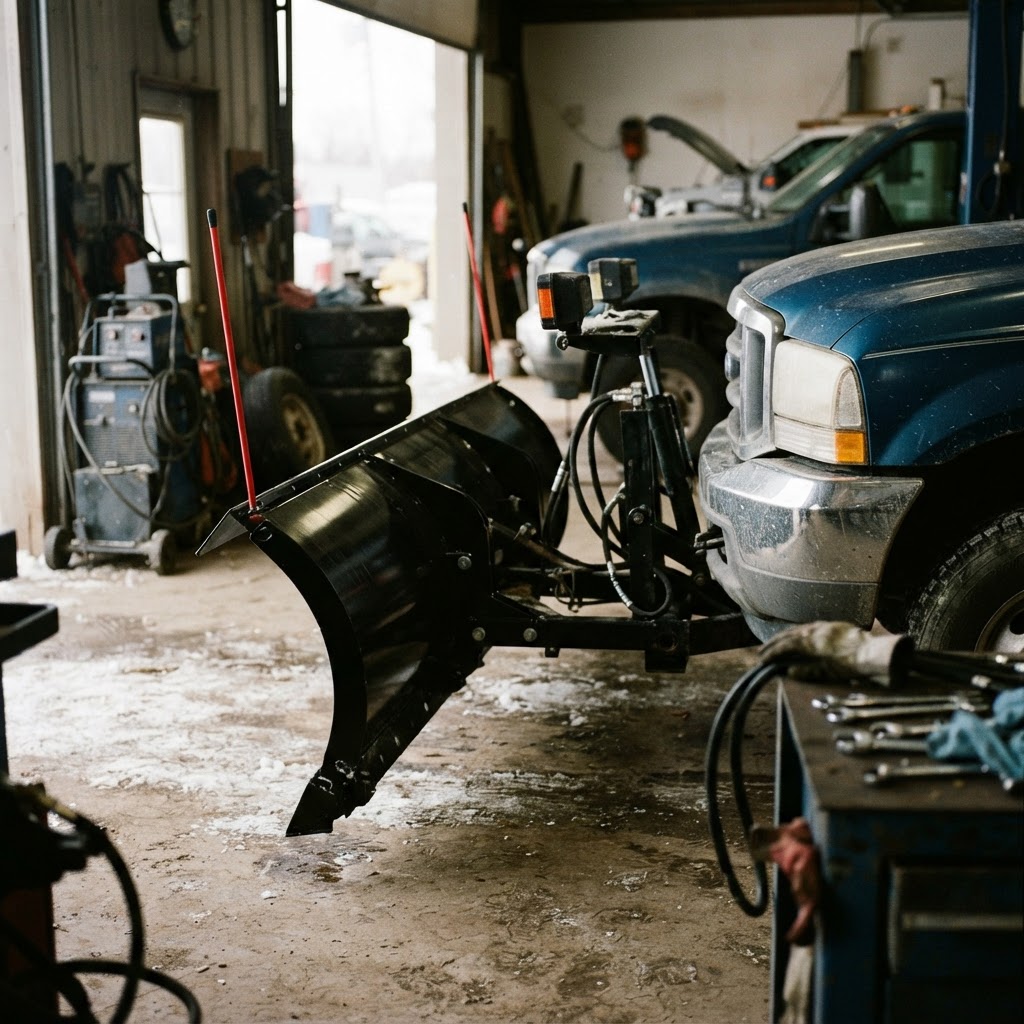
- Flip-Down Casters: Makes moving the 280-lb unit around your garage floor a one-man job instead of a back-breaking chore. You can roll it right up to the truck for easy alignment.
- Price Point: At $1,870.00, it provides a professional steel-blade experience for half the price of a hydraulic rig.
Cons
- Winch Speed: Electric winches are slower to lift than hydraulic cylinders. You have to time your turns at the end of a run to ensure the blade is clear of the pile.
- Manual Angling: You have to get out of the truck to change the angle of the blade. It’s a minor inconvenience, but in a blizzard, you’ll feel it. Dress warm.
- Electrical Load: Like any winch-based system, it pulls a decent amount of amps. You need a healthy battery and alternator to keep up during a long shift. Consider a dual-battery setup if you're plowing for hours on end.
Our top-rated pick for this category. Available at Big League Accessories with 30-day returns and expert support.
The Verdict
After decades of clearing lots, I’ve learned that there’s no such thing as a "perfect" plow, only the right plow for the job. If you’re trying to run a full-scale municipal snow removal contract, you need to go spend $6,000 on a Western or a Fisher hydraulic V-plow. You need the speed and the heavy-duty hydraulics for 24/7 operation. But for the independent contractor, the landscaper looking to keep busy in the off-season, or the rural homeowner with a quarter-mile driveway, the DK2 by Marlon RAMPAGE II 82 in. x 19 in. Custom-Mounted Snow Plow with Wireless Winch is the smartest money you can spend.
It’s built like a tank, mounts like a professional piece of equipment, and doesn't require you to rewire your entire truck. It bridges the gap between the cheap 'homeowner' hitches and the 'pro' hydraulic setups perfectly. Just remember: grease your pivot points, watch your speed when you're pushing near the curbs, and always carry a spare winch remote battery. Treat this gear right, and it’ll be clearing your path long after the cheap plastic alternatives have ended up in the scrap heap. Stay warm out there, and keep the shiny side up.