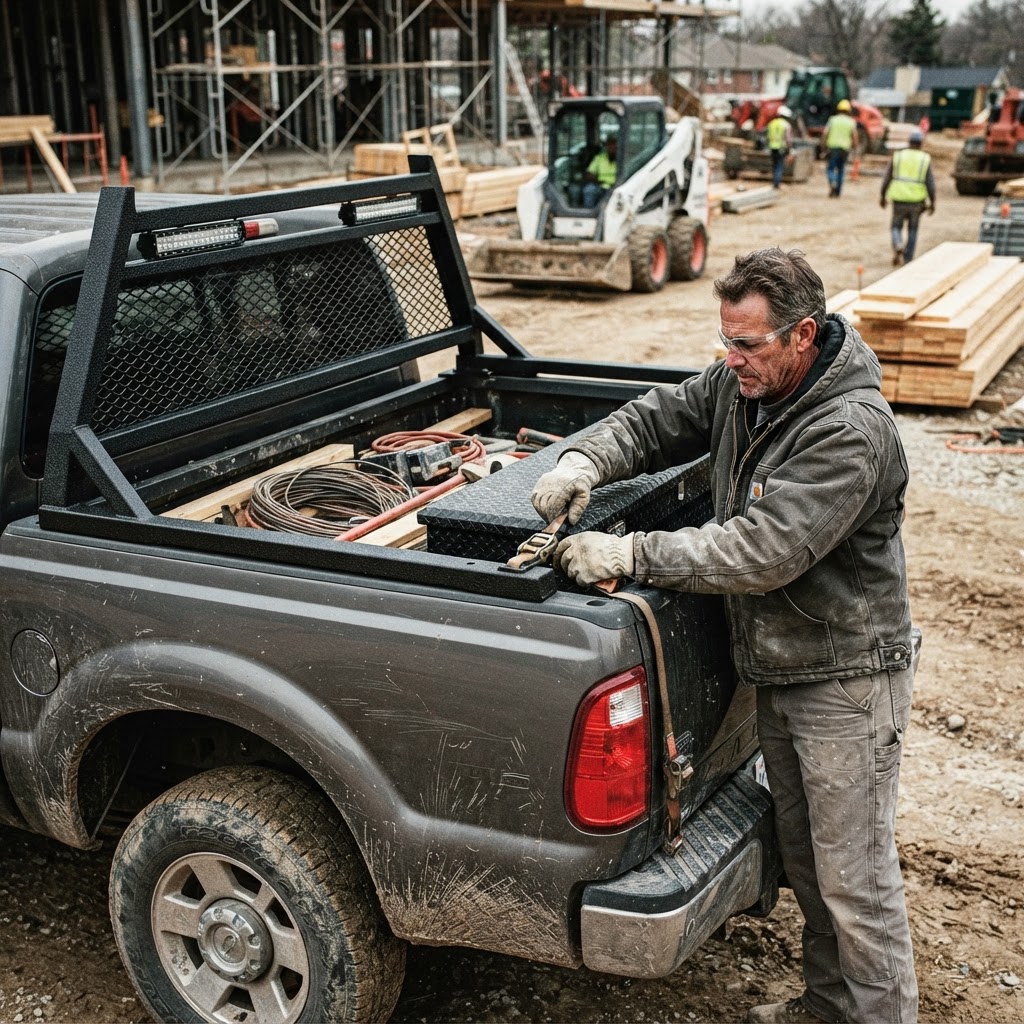
It’s 5:30 AM on a Tuesday in November. The frost is biting, the coffee is cold, and you’re staring at a pile of lumber in the back of your truck that you need to unload before the crew arrives. You flip your factory cargo light on, but it’s a joke—a dim, yellow glow that barely illuminates the tailgate, let alone the bed. You end up holding a flashlight in your teeth while trying to maneuver a 4x8 sheet of plywood. We’ve all been there, and frankly, it’s a waste of time and a safety hazard.
Professional work isn't done on a schedule that respects the sun. Whether you’re a contractor finishing a punch list at dusk or a fleet operator dealing with roadside repairs in the middle of nowhere, you need light that actually cuts through the dark. After years of bolting gear to work trucks, I’ve learned that factory lighting is just a suggestion. If you want to get the job done, you need to take control of your visibility with dedicated, high-output spotlights.
What We're Testing
We’re talking about auxiliary LED lighting—specifically spot and flood pods designed for the rigors of a job site. These aren't the cheap, decorative strips you see on mall crawlers. We’re looking at gear that can handle vibration, high-pressure washdowns, and the occasional impact from a stray piece of rebar.
When I evaluate these lights, I look at three things: the housing integrity, the beam pattern, and the mounting versatility. A good light needs a sealed, IP-rated housing to keep moisture out, a beam pattern that matches the task (spot for distance, flood for area), and a mounting system that doesn't require a degree in engineering to install. We test these by putting them through real-world cycles: constant vibration on washboard roads, exposure to road salt, and the daily abuse of a construction site.
The Competition
When you start shopping for lighting, you’ll see everything from $20 Amazon specials to $1,000 race-grade setups. Brands like Rigid Industries and Baja Designs are the gold standard for off-road performance, offering incredible lumen output and rugged polycarbonate lenses, though they often come with a premium price tag that might be overkill for a standard work truck. On the other end, you have budget-friendly options like the Trux Accessories 6-inch rectangle lamps, which are great for basic utility but lack the refined beam control of higher-end optics.
Then there’s the middle ground—the sweet spot for contractors. Big League Accessories offers a range of lighting solutions that bridge the gap between professional-grade durability and sensible pricing. Their selection is curated specifically for work trucks, meaning you aren't paying for "racing" branding, just solid, reliable light. I recommend Shop All Truck Accessories because they focus on the hardware that actually survives a job site, not just the stuff that looks good in a catalog.
| Product | Capacity/Size | Material | Price Range | Warranty/Notes |
|---|---|---|---|---|
| Big League Accessories LED Pods | 3-inch Cube | Aluminum/Polycarbonate | $40 - $100 | Work-truck focused; high durability |
| Rigid Industries D-Series | 3-inch Cube | Aluminum/Polycarbonate | $200 - $350 | Premium optics; lifetime warranty |
| Trux Accessories 6-inch | 6-inch Rectangle | Aluminum | $50 - $80 | Budget-friendly; dual-function |
Installation & Fit
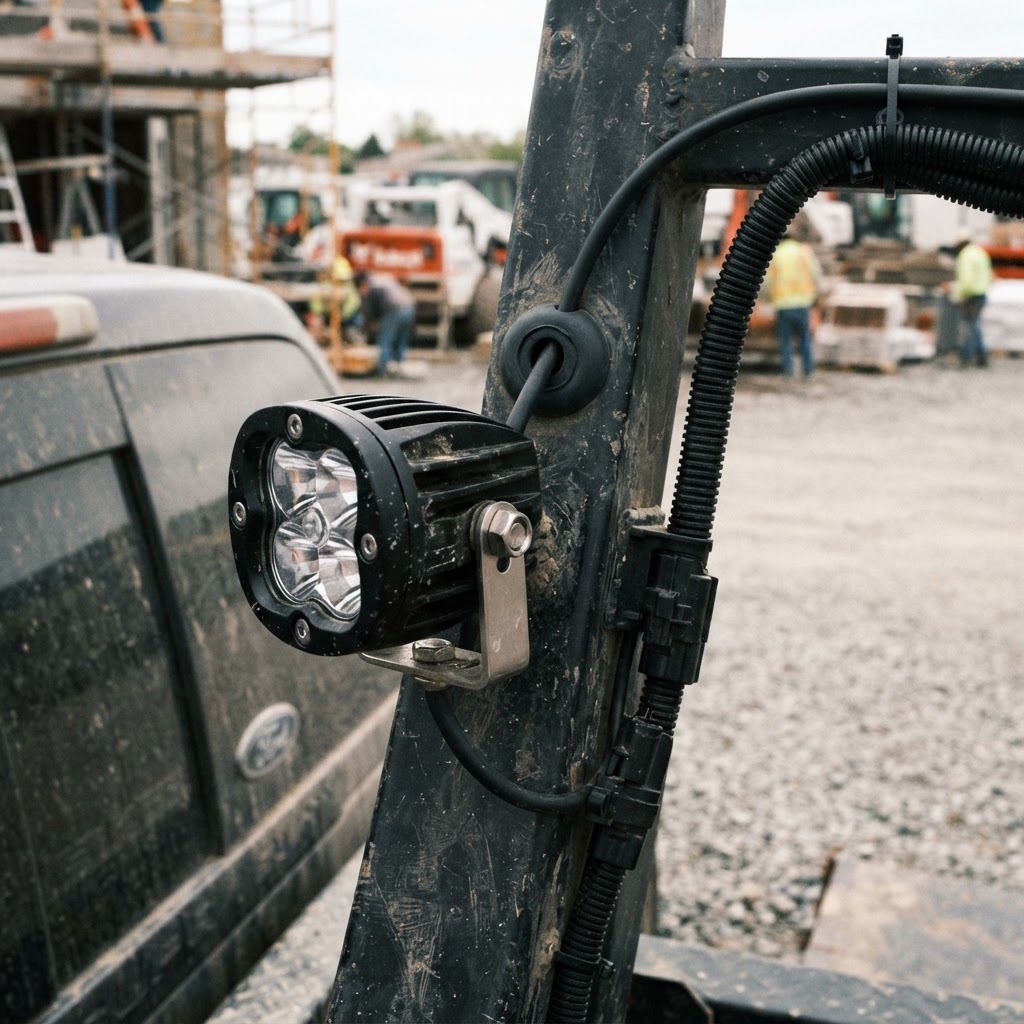
Installation is where most guys get frustrated. If you’re mounting to a bumper or a headache rack, you’re usually looking at a simple bolt-on process. However, the "gotcha" is always the wiring. Don't just twist wires together and wrap them in electrical tape; that’s a fire waiting to happen. Use a proper fused relay harness.
Most modern trucks have pre-wired auxiliary switches (like Ford’s Upfitter switches), which makes the job much cleaner. If you don't have those, you’ll need to run a dedicated switch into the cab. Always use heat-shrink butt connectors and route your wires away from heat sources like the exhaust or moving parts like the steering linkage. If you’re drilling into your bed rails, use a dab of touch-up paint on the raw metal before you bolt the bracket down to prevent rust from starting under the mount.
Long-Term Durability
I’ve seen plenty of "waterproof" lights fail after one winter because the seals weren't up to the task. Look for lights with a solid warranty and a reputation for sealed electronics. Vibration is the silent killer of LEDs; if the internal circuit board isn't potted or properly secured, the solder joints will eventually crack. Over a season or two, you want to see zero "fogging" inside the lens. If you see condensation, the seal is compromised, and it’s time to replace it before the corrosion ruins the board.
Pros & Cons
Pros
- Increased Safety: Dramatically improves visibility for night-time loading and roadside work.
- Durability: Modern LED housings are built to withstand extreme vibration and weather.
- Efficiency: Low power draw means you can run them without killing your battery instantly.
Cons
- Installation Time: Requires proper wiring and routing to be done safely.
- Glare: Improperly aimed lights can blind other drivers or create "hot spots" that ruin your night vision.
Our top-rated pick for this category. Available at Big League Accessories with 30-day returns and expert support.
The Verdict
If you’re tired of working in the dark, stop making excuses and upgrade your lighting. It’s one of the highest-ROI modifications you can make to a work truck. My advice? Don't overthink the "cool factor." Buy a reputable brand, wire it with a proper relay, and aim it where you actually need the light. If you’re looking for a place to start, Shop All Truck Accessories has the gear that will actually last through the next five years of hard labor. Just remember: a light is only as good as its mount, so keep it tight and keep it clean.