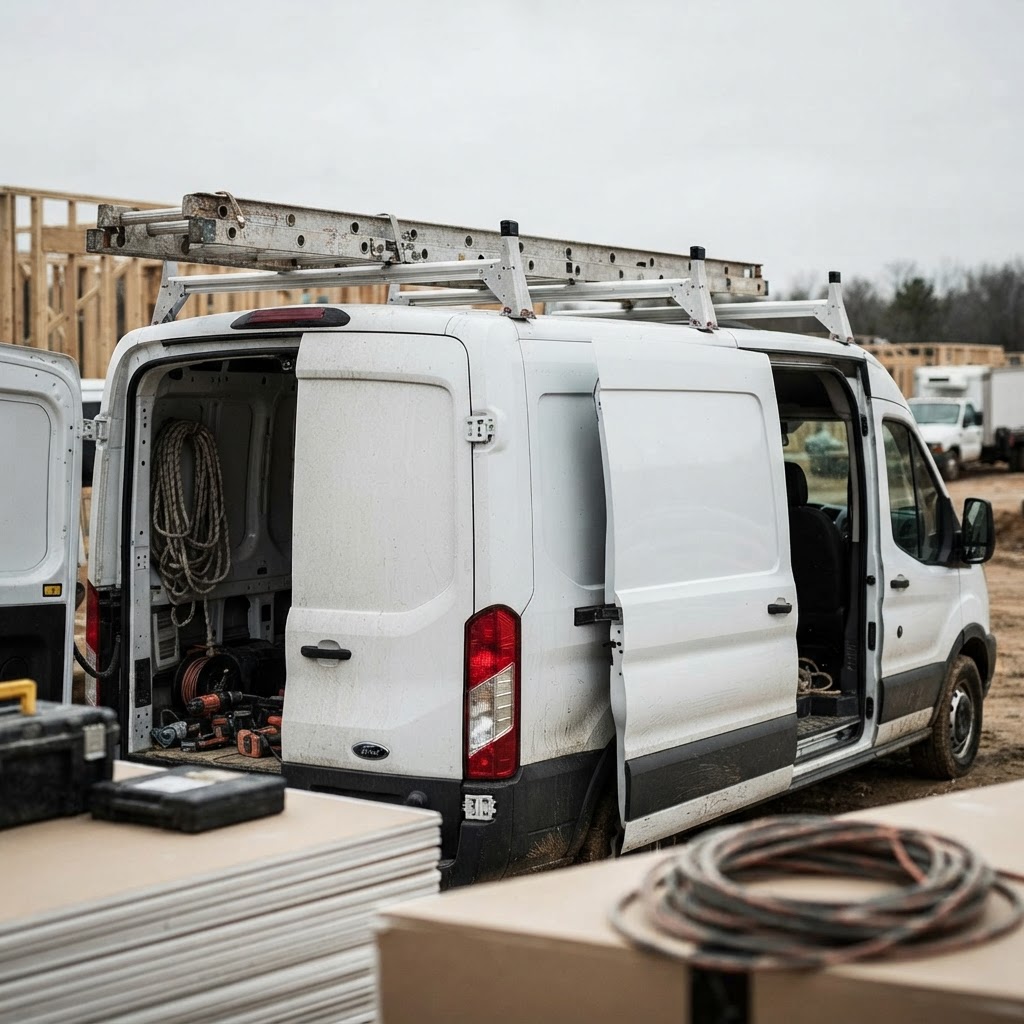
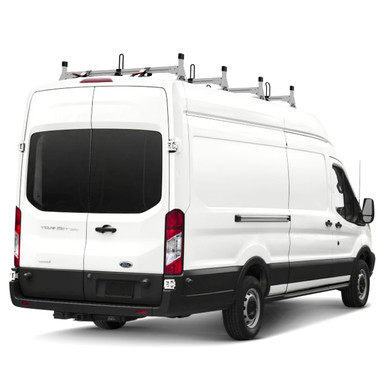
It was 6:15 AM on a Tuesday in late October, just outside of Chicago. The rain was that freezing, sideways kind that finds every gap in your Carhartt. I was watching a sub-contractor try to wedge a 28-foot extension ladder into the back of a 148-inch wheelbase Ford Transit. He was swearing, knocking over his organized pack-outs, and eventually, he just gave up and left the ladder hanging two feet out the back doors with a tattered red rag tied to the rung. By the time he hit the job site, that ladder had shifted, scratched his interior panels to hell, and nearly slid out into an intersection.
That’s the exact moment you realize that a cargo van without a roof rack is just a very expensive, very inefficient metal box. If you're running a Transit, you bought it for the volume, but if you aren't using the roof, you're leaving money on the table—or in this case, on the pavement. You need a rack that doesn’t just hold weight, but survives the vibration of 70-mph highway hauls and the corrosive salt of a Midwestern winter without turning into a pile of rust or whistling like a tea kettle every time you hit 40 mph.
We’ve spent the last six months beating the living daylights out of the Vantech H1 3-Bar system. We didn't just put it on a showroom van; we bolted it to a working Transit 250 and loaded it with everything from 20-foot PVC sticks to heavy-duty fiberglass ladders. We wanted to see if the extruded aluminum could actually handle the rated 750-pound load without bowing, and more importantly, if the mounting hardware would hold up after 10,000 miles of pothole-riddled city streets.
What We're Testing
The gear on the bench today is the Vantech H1 Ladder Roof Rack for Ford Transit Cargo Van 2015-On - Silver. This is a 3-bar system designed specifically to utilize the Ford Transit’s factory mounting points. It’s an all-aluminum build, which is non-negotiable for me these days. I’ve seen too many steel racks bleed rust streaks down the side of a $50,000 van after just one season.
Our evaluation focused on four critical areas:
- Mounting Integrity: Does it use the factory holes correctly, or are we shimmying brackets to make them fit?
- Load Stability: How much does the bar flex under a 250-pound concentrated load?
- Weather Resistance: We looked for oxidation at the joints and hardware failure after heavy rain and road salt exposure.
- Daily Ergonomics: How easy is it to tie down a load? Are the eye-bolts positioned where a working man actually needs them?
The Competition
When you’re looking to outfit a Transit, you’ve got a few names that always pop up. First, there’s Weather Guard. Their All-Purpose Aluminum Van Rack is a staple. It’s a tank, and their powder coating is top-tier. However, a 3-bar setup from Weather Guard can easily north of $900 depending on the distributor, and often their weight capacity on the aluminum models is capped around 500 lbs, which is lower than what Vantech claims for the H1.
Then you have Thule TracRac Pro2. It’s a beautiful piece of engineering with great aerodynamics. It’s quiet and looks sharp. But in my experience, TracRac is built more for the weekend warrior or the light-duty contractor. When you start tossing heavy 40-foot ladders and bulk lumber on there day in and day out, the sliding track system can get gummed up with grit and construction debris. It’s a bit too 'fussy' for a dedicated work truck.
Prime Design AluRack is another contender. They use a unique 'locked-in' crossbar design and offer a rear roller which is great for single-person loading. But you’re going to pay a massive premium for that roller—sometimes double the price of the Vantech H1. For a fleet manager or an owner-operator watching the bottom line, that’s a hard pill to swallow unless you’re loading 10 times a day.
After comparing the field, we keep coming back to the Vantech H1. Why? Because it hits the sweet spot of 750-lb capacity and a price point that doesn't feel like a mortgage payment. It’s a blue-collar rack: over-built, simple, and effective. It provides a higher weight ceiling than the standard Weather Guard aluminum units while being significantly more rugged than the Thule options.
| Product | Weight Capacity | Material | Price Range | Warranty |
|---|---|---|---|---|
| Vantech H1 3-Bar System | 750 lbs | Extruded Aluminum | $829.00 | 5-Year Limited |
| Weather Guard All-Purpose | 500 lbs | Aluminum | $850 - $950 | Limited Lifetime |
| Thule TracRac Pro2 | 500 lbs | Aluminum | $650 - $750 | Limited Lifetime |
| Prime Design AluRack | 500 lbs+ | Aluminum | $1,200 - $1,400 | 3-Year Limited |
Installation & Fit
One thing Ford did right with the Transit was providing clear, reinforced mounting points on the roof. The Vantech H1 Ladder Roof Rack for Ford Transit Cargo Van 2015-On - Silver is designed to bolt directly into these points.
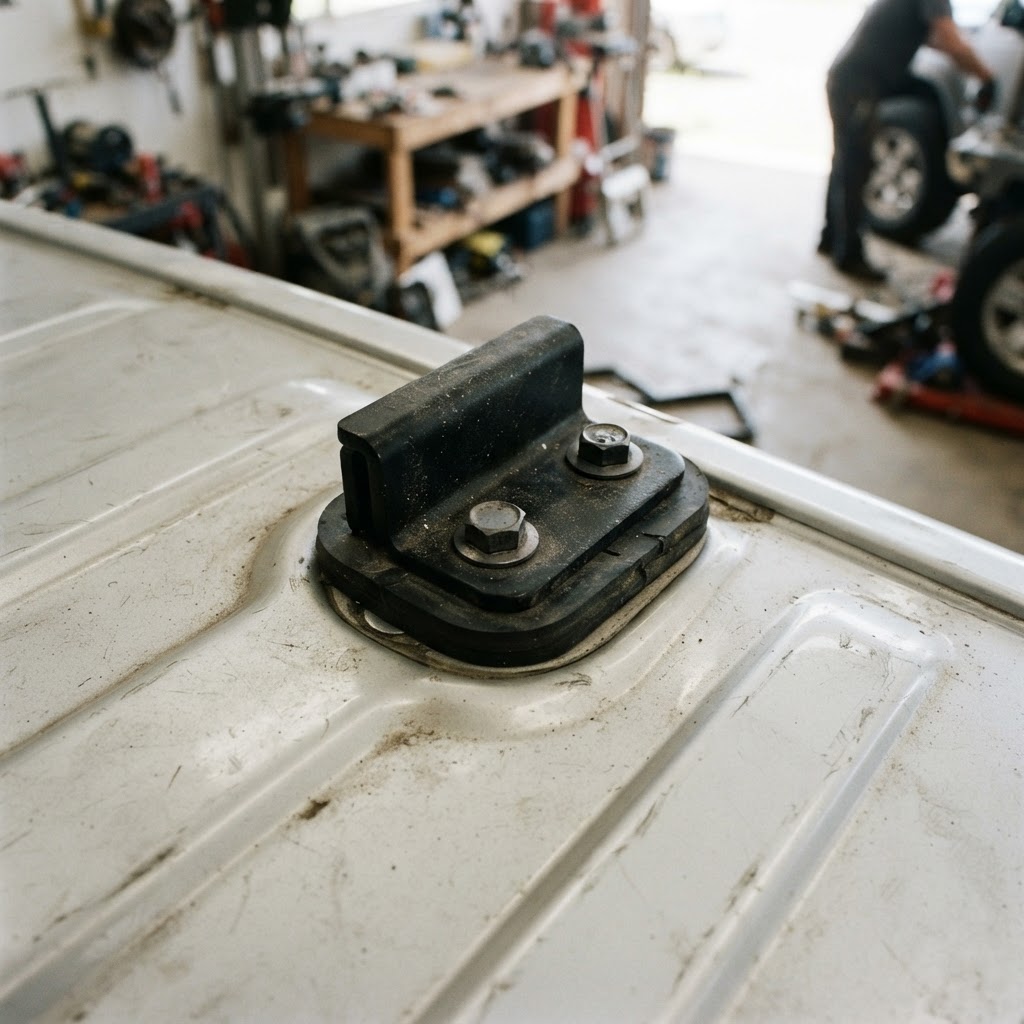
The Hardware: Vantech ships this with 8mm bolts and thick rubber gaskets. Don’t toss those gaskets; they are the only thing keeping your headliner dry. The brackets are 11-gauge steel, which is heavy-duty, but they are galvanized and powder-coated to prevent the galvanic corrosion you get when steel touches aluminum.
The Process: You’ll need a 13mm socket and a helper. Don't try to do this alone unless you enjoy scratching your paint. We had all three bars up and torqued down in about 45 minutes.
The Gotcha: Ford's factory mounting holes are often filled with a plug and a thick layer of seam sealer from the factory. You have to scrape that gunk off to get a flush fit for the Vantech brackets. If you don't get the mounting surface flat, the bracket will sit at an angle, and your crossbars won't be level. Take the extra five minutes with a putty knife and do it right.
Long-Term Durability
I’ve been running Vantech gear on my personal rigs for years, and the H1 series is their workhorse for a reason. The crossbars are 2" x 1" extruded aluminum with internal structural ribs. Even after six months of carrying a 32-foot fiberglass ladder—which weighs about 70 lbs and catches a lot of wind—the bars show zero signs of sagging.
Vibration: This is where cheap racks fail. The H1 uses a secure clamping system where the bar meets the bracket. We checked the torque after 3,000 miles and found everything still tight.
The Finish: The silver powder coat is thick. We’ve dragged ladders across these bars without using the protective strips just to see what would happen. While we got some surface scuffing, we didn't see any deep gouges that reached the raw aluminum. However, if you want your rack to stay pretty, I’d recommend adding some rubber wear strips to the top of the bars.
Wind Noise: Let’s be real—anytime you put a square bar on a roof, it’s going to make noise. Vantech includes 'wind deflectors' (small plastic clips) that snap onto the underside of the bars to break up the airflow. They help, but you're still going to hear a hum at 70 mph. It's a trade-off for the utility.
Pros & Cons
-
High Load Capacity: Rated for 250 lbs per bar (750 total), which outclasses many competitors in this price range.
-
Aluminum Construction: Won't rust, keeping your van looking professional and preventing structural failure over time.
-
No-Drill Install: Preserves the resale value of your Transit by using factory-drilled mounting points.
-
Adjustable Eye-Bolts: The included eye-bolts slide along the bottom of the bars, giving you tie-down points exactly where you need them for different-sized loads.
-
Wind Noise: Like all non-aerodynamic racks, there is a noticeable whistle at high speeds if the deflectors aren't perfectly placed.
-
Height Increase: The H1 sits about 4 inches above the roof. If you have a High-Roof Transit, watch out for those 9-foot garage doors.
-
Hardware Prep: You have to be meticulous about cleaning the factory seam sealer off the van to ensure a leak-proof seal.
Our top-rated pick for this category. Available at Big League Accessories with 30-day returns and expert support.
The Verdict
If you're a contractor, an electrician, or a plumber running a Ford Transit, the Vantech H1 Ladder Roof Rack for Ford Transit Cargo Van 2015-On - Silver is the best ROI you can find for your exterior. It’s tougher than the consumer-grade racks you find at big-box stores and more affordable than the high-end European aerodynamic systems.
Who should buy it? Anyone who needs to carry 20+ foot materials daily and wants a rack that will outlast the van itself. The one thing to watch for? Make sure you check your total vehicle height after installation. A High-Roof Transit with this rack will not clear standard parking garages.
Bottom line: It's a stout, no-nonsense piece of gear that does exactly what it says on the box. It holds the weight, it doesn't rust, and it doesn't move. In my book, that's a win. For more options on outfitting your rig, check out the full truck accessories lineup.